Air Conditioning Tune-Up and Refrigerant Charge Checks
An air conditioner is a lot like a houseguest with a mysterious diet. It wants clean airflow, proper electrical supply, a sensible thermostat setting, and exactly the right refrigerant charge. Give it too little or too much of anything and it starts behaving dramatically, often on the hottest afternoon of the year, because machinery has a flair for timing.
A proper air conditioning tune-up is not a ceremonial dusting of the outdoor unit followed by a cheerful sticker on the cabinet. It is a focused service visit by an air conditioning contractor or air conditioning repair service that looks at the system as a working piece of heating, ventilation, and air conditioning equipment. That matters because HVAC systems do not fail in isolated little soap operas. A weak capacitor can stress a compressor. Poor airflow can make refrigerant readings misleading. A dirty coil can make an otherwise healthy system look like it has a refrigerant problem. And a refrigerant charge that is off can waste energy and increase the risk of equipment failure.
That last point deserves attention. Proper refrigerant charging is not a nice extra. For an air conditioner or heat pump installation, correct sizing and correct refrigerant charging are part of proper HVAC installation. When the charge is right, the system has a better chance of running efficiently and reliably. When the charge is wrong, the machine may still blow cool air for a while, but so can a cardboard fan if you stand close enough and believe in it.
What a tune-up is really supposed to accomplish
The phrase “air conditioning maintenance” gets used so casually that it can mean almost anything. One company may use it for a quick seasonal inspection. Another may mean a full air conditioning tune-up with performance checks, coil inspection, electrical testing, drain evaluation, and a refrigerant charge check when conditions call for it. The useful version is the one that answers two questions: is the system operating as intended, and is there an emerging problem that can be handled before it becomes air conditioning repair?
A skilled heating contractor or air conditioning contractor looks for patterns. The goal is not to poke every component just because it exists. The goal is to understand whether the system is moving heat properly, whether safety and electrical components are sound, and whether the equipment is being asked to do something unreasonable.
That “unreasonable” part matters more than homeowners expect. A system can be perfectly capable on paper and still struggle because of poor airflow, a neglected filter, blocked outdoor coil, installation issues, or a refrigerant charge that was never set correctly. The air conditioner gets blamed, naturally, because it is the box making noise. But the box may simply be the messenger, and nobody likes the messenger when the living room feels like soup.
HVAC contractors are specialized contractors whose work centers on installing and Plumber maintaining heating, ventilation, and air conditioning equipment. Many service businesses also handle related work tied to comfort systems, including plumbing or electrical work associated with heating and cooling equipment. That is why you may see one company described as a plumber, heating contractor, air conditioning repair service, furnace repair service, gas installation service, or even a lighting contractor if it has licensed staff in those trades. The overlap is practical. Buildings do not organize themselves according to neat brochure categories. A cooling issue may involve condensate drainage. A heating issue may involve gas piping. A heat pump installation may involve both refrigeration and electrical work. Real buildings are messy. Trade classifications try their best.
Refrigerant is not fuel, and other useful corrections
One of the most common misunderstandings about air conditioners is that refrigerant gets “used up.” It does not work like gasoline in a mower. Refrigerant circulates through the system, absorbing and releasing heat. If the charge is low, there is usually a reason. That reason may be a leak, a previous service error, or an installation issue. Simply adding refrigerant without understanding why the level is low is like topping off a tire every morning and proudly calling yourself a transportation engineer.
Air conditioners and other refrigeration equipment fall under rules for appliances and refrigerant handling. The people servicing them can include installers, contractor employees, and technicians involved in maintenance, service, or repair. In practical terms, a refrigerant charge check is not a casual DIY errand. It belongs in the hands of someone trained and equipped to work on the system correctly.
A charge check also is not a magic wand. It is one part of diagnosis. If airflow is wrong, the refrigerant readings can lead a careless technician down the garden path, through the hedge, and into a bill nobody wanted. If the outdoor coil is packed with debris, pressures and temperatures may not reflect the actual charge. If the system is not running under appropriate conditions, the readings may not tell the truth. Refrigerant diagnosis is less like reading a fortune cookie and more like cross-examining a witness.
Why charge checks matter during an air conditioning tune-up
A correct refrigerant charge helps an air conditioner or heat pump do its job: move heat. Too little charge can reduce capacity and may raise stress on the equipment. Too much charge can also create problems. The system is designed around a particular amount of refrigerant, with performance depending on the equipment type, installation, and conditions at the time of testing.
That is why proper charging is part of quality HVAC installation. It is also why charge checks during maintenance can be valuable when the symptoms or service history justify them. If a system has slowly lost performance, runs longer than expected, develops frost where it should not, or has a repair history involving leaks, a charge check may be appropriate. If a system is performing well and no evidence points toward refrigerant trouble, the best technician may spend more effort on airflow, electrical health, coil condition, and drainage. Good maintenance is not theatrical. It is targeted.
The mistake is treating refrigerant like seasoning. A pinch more, a dash less, taste and serve. Air conditioning does not work that way. Refrigerant charge is a specification, and the method used to evaluate it depends on the equipment and conditions. A technician who skips the basics and heads straight for gauges may look impressive, especially with a tool bag that clinks like a mobile kitchen drawer, but tools do not replace judgment.
The tune-up before the charge check
A reliable refrigerant charge check starts before any refrigerant reading is trusted. The technician needs a system that is operating in a way that makes measurement meaningful. This is the unglamorous part of air conditioning maintenance, which is unfortunate because the unglamorous part often saves the compressor from an early retirement party.
Airflow is one of the first suspects. If air is not moving properly across the indoor coil, the system cannot exchange heat as intended. That may make the cooling weak, create comfort complaints, and distort the evidence. The same goes for the outdoor unit. If it cannot reject heat because the coil is dirty or airflow is obstructed, the refrigerant side will complain loudly, but the true problem may be outside with leaves, grass clippings, or general neglect.
Electrical checks matter too. HVAC work often touches electrical systems, and many service businesses coordinate with an electrician or have qualified electrical technicians for equipment-related work. A cooling system depends on reliable power, controls, motors, and safety components. A system with a failing electrical part may cycle poorly or fail to start, and that can be mistaken for a refrigeration problem by someone who diagnoses with hope instead of instruments.
Condensate drainage deserves its own small moment of respect. Air conditioners remove moisture as they cool. That water needs a path out. Drain trouble can shut systems down, damage property, or create nuisance service calls. This is one area where HVAC and plumbing worlds nod at each other across the mechanical room. A company that also handles plumbing leak repair, drain cleaning, rooter service, or hydrojetting understands that water always finds the most annoying path available.
A good tune-up keeps these relationships in view. Cooling performance is not only refrigerant. It is airflow, heat transfer, electrical reliability, controls, drainage, installation quality, and the operating environment. Refrigerant is the star of the gossip, not always the guilty party.
Signs a refrigerant charge check may be worth doing
Not every tune-up needs to become a refrigerant investigation, but certain complaints raise the odds. Weak cooling is the obvious one, though weak cooling has many parents. Long run times can be a clue, particularly if the system used to satisfy the thermostat more confidently. Uneven comfort can point to airflow, ductwork, sizing, or charge concerns, depending on the building. Ice formation is another sign that something is wrong, although the cause may be airflow, refrigerant, controls, or other conditions.
Here is the short version homeowners can keep in mind:
- The system runs for long stretches but struggles to cool the home.
- Airflow feels normal, but the air is not as cool as expected.
- Ice appears on parts of the system where ice has no business auditioning.
- The system has a known leak history or repeated refrigerant additions.
- A new installation or heat pump installation never seemed to perform correctly.
That list is not a diagnosis. It is a reason to call someone qualified. A homeowner can observe symptoms, change filters where accessible, keep outdoor units clear, and describe what changed. The deeper testing belongs to a trained air conditioning repair service. Refrigerant work, electrical testing, and combustion-related work on heating equipment are not areas where confidence should outrun competence.
The “top off” trap
The phrase “top off the refrigerant” has caused a lot of trouble. It sounds harmless, like adding washer fluid. But refrigerant charge is not a consumable maintenance item. If the system is low, the question is why. If the answer is “because it’s Tuesday,” keep asking.
A technician may add refrigerant as part of a proper repair or service procedure, but the context matters. Was a leak found? Was a component replaced? Was the system installed and charged according to the needed method? Were airflow and coil conditions checked first? Was the system evaluated after the adjustment? These questions separate a meaningful repair from a temporary comfort bribe.
There are times when an older system with a known issue becomes a judgment call. Some owners choose a limited repair to get through a season. Others choose replacement because repeated refrigerant issues, age, or performance problems make continued repair hard to justify. A good contractor explains the trade-offs without turning every service call into a dramatic courtroom scene titled “The People vs. Your Wallet.”
Air conditioners, heat pumps, and the same old physics wearing different hats
A heat pump is often discussed separately from an air conditioner, but the cooling side shares familiar principles. Heat pump installation, maintenance, and refrigerant charging require the same basic seriousness. A heat pump also provides heating, so charge and performance issues may show up in different seasons. That makes maintenance timing important. A system that limps through summer may get exposed in winter, or the reverse.
For homes that use furnaces instead of heat pumps for heating, the seasonal service picture changes. A furnace repair service or heating contractor may focus on heating equipment in the colder months while the air conditioning contractor handles cooling season needs. In many real service companies, those roles live under one roof. OSHA’s classification for plumbing, heating, and air-conditioning work includes air-conditioning work, furnace repair, heating equipment installation, plumbing repair, refrigeration work, sewer hookups, sump pump service, and water pump installation. That broad grouping reflects what technicians see every day: mechanical systems overlap because buildings are not polite enough to keep them separate.
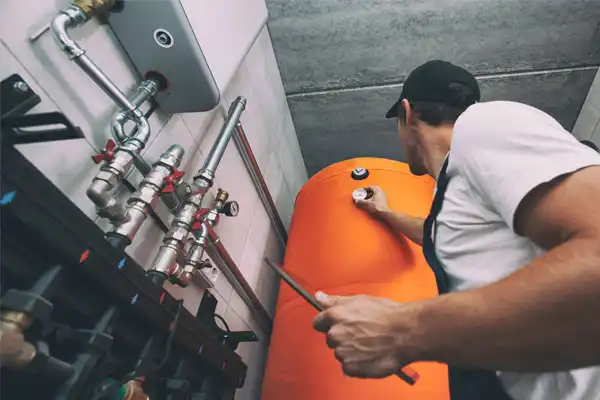
This does not mean one person should do every trade task. Electrical work may be separately classified, and licensing requirements vary by place. Gas installation service requires proper qualification. Septic system service is its own world of pumps, tanks, soil, and smells best not described over lunch. The point is that comfort service often sits at the intersection of trades. The best companies know where those boundaries are and bring the right person to the right problem.
What homeowners can do before the service visit
Homeowners do not need gauges, refrigerant, or a heroic relationship with electricity. They do need good observations. The most useful service calls often begin with a clear description of symptoms. When did the problem start? Is it constant or intermittent? Did anything change recently, such as a thermostat setting, filter replacement, renovation, power outage, or new equipment? Does the outdoor unit run? Does the indoor blower run? Are there water leaks near the equipment?
A surprising number of expensive-looking problems begin with simple clues. A clogged filter can restrict airflow. A blocked outdoor unit can interfere with heat rejection. A tripped switch or control issue can mimic larger failure. None of that makes the problem the homeowner’s fault. Houses are busy little ecosystems. Dust happens. Plants grow. Children flip switches with the moral certainty of tiny laboratory scientists.
Before the technician arrives, clear access to the indoor and outdoor equipment if possible. If there are pets, secure them. Not because technicians dislike pets, but because a friendly dog nose inside a tool bag can turn a routine tune-up into a scavenger hunt for wire nuts. Gather any service records you have, especially if refrigerant has been added before. A history of repeated charging is valuable information, not a charming tradition.
What a professional should be able to explain
A competent air conditioning repair service should not bury you under jargon or treat every question like an insult. You do not need a lecture on thermodynamics, but you deserve a clear explanation of what was checked, what was found, and what options make sense. If refrigerant charge was evaluated, the technician should be able to explain why the check was appropriate and what conditions were verified first.
Good explanations usually sound practical. The system had restricted airflow, so readings were not reliable until that was addressed. The outdoor coil needed cleaning before performance could be judged. The charge appeared low and a leak evaluation was recommended. The system was recently installed and the charge needed correction. These explanations connect the symptom to the test to the recommendation.
Vague phrases deserve scrutiny. “It just needs gas” is not much of an explanation. “They all leak eventually” is not a repair plan. “Your unit is old” may be true, but age alone does not diagnose a failed part. On the other hand, homeowners should also beware of demanding certainty where the equipment cannot offer it instantly. Diagnostics sometimes require staged work: restore airflow, test electrical components, clean what must be cleaned, then evaluate refrigeration performance. Machines are honest, but they are not always concise.
The maintenance visit as a business relationship
An air conditioning tune-up is also a chance to judge the contractor, not only the equipment. HVAC contractors design, install, maintain, and service systems across residential and commercial settings. Their work may include installation, maintenance, repairs, duct cleaning, and related plumbing or electrical tasks tied to heating and cooling equipment. That breadth is useful, but it also means communication matters.
If a company handles both plumbing and HVAC, it may be convenient when one home has several needs: air conditioning repair in June, water heater repair in October, water heater installation when the old tank finally waves the white flag, plumbing repiping during a remodel, or water softener installation where water quality creates nuisance problems. Convenience is nice. Competence is better. The ideal service company sends the right technician for the task and does not pretend a drain cleaning specialist is automatically the right person for refrigerant diagnosis, or that an air conditioning technician should casually perform septic system service because both involve pipes and a bad afternoon.
The best contractors are careful with scope. They know when a licensed electrician should handle electrical work beyond the equipment. They know gas work requires qualified hands. They know rooter service and hydrojetting are not fancy names for poking at a condensate line with optimism. Home service is full of adjacent specialties, and adjacency is not the same as interchangeability.
Repair, maintenance, or replacement?
A tune-up sometimes uncovers a fork in the road. One path is maintenance: clean, adjust, inspect, and keep the system running properly. Another is repair: replace a failed component, correct a charge problem, address a leak, or fix controls. The third is replacement, usually considered when the existing system has repeated failures, poor performance, installation problems, or repair costs that no longer make sense.
There is no universal answer because equipment condition, installation quality, budget, comfort expectations, and future plans all matter. A newer system with an incorrect refrigerant charge may simply need proper service. An older system with repeated refrigerant additions may deserve a deeper conversation. A poorly installed system may need correction rather than replacement. A system that was never sized or charged correctly may have been fighting uphill from day one, which is rude but not rare.
The witty answer is “replace it when it becomes more expensive than your hobbies.” The better answer is to ask for options. What is the immediate repair? What does it solve? What risks remain? If replacement is recommended, why? Is the issue tied to refrigerant, airflow, electrical condition, installation quality, or general wear? A contractor who can separate those threads is worth listening to.
A note on pricing without pretending every house is the same
It is tempting to ask what a tune-up should cost, but prices vary by region, system type, service scope, access, and company structure. A quick inspection and a comprehensive maintenance visit are not the same product. A refrigerant charge check may or may not be included, depending on the service agreement and whether conditions make the test appropriate. Refrigerant-related repairs can vary widely because “low charge” is not a complete diagnosis.
The useful question is not only “How much?” It is “What is included?” A low-cost visit that does not check meaningful operating conditions may be cheap in the same way a paper umbrella is cheap. Charming, briefly. A higher-priced visit should justify itself with thorough work, clear findings, and professional handling of the equipment. Nobody should pay for mystery.
Here is a compact comparison that helps frame the conversation:
| Service term | What it should generally mean | |---|---| | Air conditioning tune-up | Seasonal maintenance focused on operation, cleanliness, controls, and performance indicators | | Refrigerant charge check | Evaluation of refrigerant level and system behavior under appropriate operating conditions | | Air conditioning repair | Correcting a specific fault, failed component, leak issue, control problem, or performance defect | | Air conditioning maintenance | Preventive service intended to reduce avoidable breakdowns and preserve operation | | Heat pump installation | Installing heating and cooling equipment with proper sizing, setup, and refrigerant charging |
A table cannot replace a technician, but it can keep vocabulary from wandering off and starting trouble.
Why the right charge is not enough if the installation is wrong
Correct refrigerant charging is essential, but it cannot rescue every bad installation. Proper HVAC installation also includes correct equipment sizing. A system that is too large or too small for the application may create comfort and performance problems even if the refrigerant charge is perfect. That is one reason replacement deserves careful design, not just a quick match to whatever was sitting there before.
Sizing is not the only installation concern. Airflow, duct arrangement, electrical supply, clearances, drainage, and controls all affect performance. A system can be new and still wrong. New equipment is not magic. It is merely equipment with fewer fingerprints. If installed poorly, it can disappoint immediately and expensively.
This is where professional HVAC contractors earn their keep. The trade is not only about swapping boxes. It is about installing and maintaining heating, ventilation, and air-conditioning equipment so the whole system works. An experienced contractor sees the equipment and the building together. That perspective matters during replacement and during maintenance, because a tune-up often reveals whether the system is operating in harmony with its surroundings or arguing with the house like relatives at a holiday dinner.
The seasonal rhythm of a sensible maintenance plan
Air conditioning maintenance tends to get attention right before warm weather, which makes sense. Nobody wants the first hot day to become a live-fire test of neglected equipment. Heating maintenance has its own season, especially for furnaces and heat pumps. Homes with combined services often benefit from a planned rhythm: cooling equipment checked before heavy cooling demand, heating equipment checked before heavy heating demand, plumbing issues handled before small leaks become ceiling art.
That broader home-service view matters because one problem can masquerade as another. A water leak near indoor HVAC equipment may be condensate, plumbing, or something else. A comfort complaint may involve cooling performance, controls, electrical issues, or air distribution. A contractor with plumbing and HVAC experience can often triage more efficiently, while still assigning the right qualified technician.
The homeowner’s role is consistency. Waiting until the system fails is a plan, technically, but so is steering by mailbox impact. Preventive maintenance does not guarantee no breakdowns. It reduces avoidable ones, catches clues earlier, and gives the equipment a fair chance. That is not glamorous. Neither is flossing. Both are missed when ignored.
When to call for service instead of waiting for the next tune-up
A planned tune-up is useful, but some symptoms should not be filed under “later.” If the system stops cooling, trips repeatedly, leaks water where it should not, develops ice, makes unusual electrical smells, or behaves inconsistently, call for air conditioning repair. If heating equipment is involved, use a qualified furnace repair service or heating contractor. If gas work is suspected, bring in proper gas installation service expertise. If water is actively escaping from plumbing, that is plumbing leak repair territory and not a moment for philosophical patience.
For cooling specifically, do not keep forcing the system to run if it is icing or clearly struggling. Turning equipment off and calling for service can prevent additional stress. Describe what you saw. Photos can help. So can knowing whether the indoor blower and outdoor unit were running. The Look at this website technician does not need a novel, though if you write one, make the compressor a morally complex character.
The quiet value of doing it right
A proper air conditioning tune-up is not about creating a long invoice with impressive vocabulary. It is about giving the system a professional look before peak demand, correcting small issues where practical, and identifying bigger ones with enough clarity to make good decisions. A refrigerant charge check is valuable when performed for the right reasons, under the right conditions, by someone qualified to interpret it.
The best service visits feel almost boring afterward. The system is cleaner, safer, better understood. The homeowner knows what was checked. The technician has not treated refrigerant like pixie dust. Any recommendations make sense, even if they are not thrilling. That is the kind of boring worth paying for.
Air conditioners do not ask for much, but they are particular. They want airflow, heat transfer, sound electrical operation, proper drainage, and the correct refrigerant charge. Ignore those needs and they become dramatic. Respect them and they usually become what every homeowner secretly wants from mechanical equipment: quiet, effective, and unlikely to ruin a weekend.
Name: Service Lion Plumbing Heating Air Electric
Address: 521 W Briardale Ave, Orange, CA 92865, United States
Phone: (657) 567-7305
Website: https://callservicelion.com/
Email: [email protected]
Hours:
Monday: Open 24 hours
Tuesday: Open 24 hours
Wednesday: Open 24 hours
Thursday: Open 24 hours
Friday: Open 24 hours
Saturday: Open 24 hours
Sunday: Open 24 hours
Open-location code: R48R+WV Orange, California, USA
Map/listing URL:
https://www.google.com/maps/search/?api=1&query=Google&query_place_id=ChIJQU4LBWHV3IARtnABtyykSA4
Google Map:
Socials:
https://www.facebook.com/ServiceLionCA/
https://www.youtube.com/channel/UCR_L35QzsRTxYZtX8PxJvPw
Local Service Information
Service Lion Plumbing Heating Air Electric provides plumbing, drain, heating, air conditioning, and electrical services from its Orange, California location.The company serves homeowners and properties throughout Orange and communities across Orange County and surrounding areas.
Available services include plumbing repairs, water heater work, drain and sewer services, heating and cooling service, electrical repairs, panels, lighting, outlets, and related home-system work.
Service is available for residential properties as well as light commercial needs described within the company's local service-area information.
The company's website emphasizes locally operated service, coordinated home-system support, and practical scheduling for plumbing, HVAC, and electrical needs.
The matching public business listing shows the Orange location as open 24 hours a day, seven days a week.
For service information or scheduling, call (657) 567-7305 or visit https://callservicelion.com/.
The public map listing identifies the business at 521 W Briardale Ave, Orange, CA 92865 and can be used for location and direction information.
Popular Questions About Service Lion Plumbing Heating Air Electric
What services does Service Lion Plumbing Heating Air Electric provide?
The company provides plumbing, drain and sewer, heating, air conditioning, and electrical services. Its published services include plumbing repair, water heaters, drain clearing, sewer work, HVAC repair and installation, electrical repairs, panels, circuit breakers, lighting, outlets, and related services.
Where is Service Lion Plumbing Heating Air Electric located?
The matching business location is 521 W Briardale Ave, Orange, CA 92865, United States.
What areas does Service Lion Plumbing Heating Air Electric serve?
The company serves Orange County and surrounding communities. Its published service-area information includes Orange, Anaheim, Brea, Yorba Linda, Fullerton, Huntington Beach, Newport Beach, Costa Mesa, Irvine, Lake Forest, and additional nearby cities.
Is Service Lion Plumbing Heating Air Electric open 24 hours?
The matching public business listing shows the location as open 24 hours on Monday through Sunday.
Does Service Lion Plumbing Heating Air Electric work on drains and sewer lines?
Yes. Published services include drain clearing, rooter service, camera inspection, hydro jetting, sewer line repair and installation, water line work, slab leak detection, and trenchless sewer line repair.
Does Service Lion Plumbing Heating Air Electric provide heating and air conditioning service?
Yes. Its published HVAC services include air conditioning repair and installation, heating service, furnace work, heat pumps, air ducts, indoor air quality assessments, and thermostat installation.
Does Service Lion Plumbing Heating Air Electric provide electrical service?
Yes. Published electrical services include repairs and installations, electrical panels, circuit breakers, safety inspections, lighting, outlets and switches, surge protection, generators, and EV charging equipment installation.
How can I contact Service Lion Plumbing Heating Air Electric?
Call (657) 567-7305.
Email: [email protected]
Website: https://callservicelion.com/
Facebook: https://www.facebook.com/ServiceLionCA/
Landmarks Near Orange, California
Old Towne Orange Historic District
A central historic district and useful geographic reference point for the Orange community.
Plaza Park
A well-known public gathering point in the center of Old Towne Orange.
Orange Public Library & History Center
A civic landmark serving residents near central Orange.
Hart Park
A major public park and recreation area south of central Orange.
Eisenhower Park
A public park serving neighborhoods in northern Orange.
Santiago Oaks Regional Park
A regional recreation and open-space landmark on the eastern side of Orange.
Irvine Regional Park
A large regional park and recognizable reference point east of the city.
Orange Park Acres
A distinctive residential community and service-area reference point in eastern Orange.
El Modena
An established Orange neighborhood that provides a practical local coverage reference.
Glassell Street
One of the city's principal north-south streets and a useful route through central Orange.
Lincoln Avenue
A major east-west roadway serving northern Orange and nearby communities.
State Route 55
A primary regional freeway connecting Orange with other parts of Orange County.