Furnace Repair Service for Strange Noises and Uneven Heating
A furnace has a limited vocabulary, but it uses it with flair. A healthy system hums, clicks softly at startup, moves warm air through the house, and then shuts down without drama. A troubled one bangs like a laundry basket full of bowling balls, whistles like a tea kettle with a grudge, or heats the living room to tropical levels while the back bedroom remains a meat locker.
Strange noises and uneven heating are two of the most common reasons homeowners call for furnace repair service. They are also two of the easiest symptoms to misread. A bang might be harmless duct expansion, or it might be delayed ignition. A cold room might need a simple damper adjustment, or it might reveal a cracked heat exchanger, failed blower, undersized ductwork, or thermostat issue. The furnace rarely leaves a note.
I have stood in enough basements, utility closets, attics, crawlspaces, and garages to know one thing: furnaces do not get quieter or smarter when ignored. Small symptoms tend to invite friends. A faint rattle becomes a shredded blower wheel. A slightly chilly hallway becomes a comfort complaint that eats a Saturday. A “funny smell” becomes the sort of sentence no heating contractor enjoys hearing after dinner.
Let’s talk about what those noises mean, why rooms heat unevenly, what a technician actually checks, and when a repair is worth it versus when replacement deserves a seat at the table.
The furnace noise translation guide, minus the panic
Every furnace makes some sound. Air moving through ducts creates a low rush. The gas valve clicks. The inducer motor starts before ignition. Metal expands as it warms. None of this should sound like someone trapped inside the equipment with a wrench.
A single pop at startup can happen when ductwork expands under pressure and temperature change. Thin sheet metal flexes. If the duct is close to a framing member or too tightly strapped, the sound can be surprisingly loud. That is annoying, not usually dangerous. But repeated booming at ignition is different. Delayed ignition means gas collects briefly before lighting, and the resulting bang can stress burners, the heat exchanger, and your nerves. That one deserves prompt professional attention. Your furnace should light smoothly, not audition for a fireworks permit.
A high-pitched squeal often points to a motor or belt issue. air conditioning maintenance tune-up Older belt-driven blower assemblies can squeal when the belt wears, loosens, or slips. Newer direct-drive motors may whine or shriek as bearings fail. Either way, the blower is central to heating performance. If it cannot move the right amount of air, the furnace may overheat, short cycle, or leave distant rooms cold.
Grinding is never charming. It can mean motor bearings are failing or a blower wheel is rubbing against its housing. A blower wheel can loosen on the shaft, warp, or collect enough debris to wobble. I have pulled pet hair, drywall dust, toy fragments, insulation, and one very guilty-looking acorn from blower compartments. A furnace is not a junk drawer, though some basements treat it like one.
Rattling may come from loose access panels, failing inducer assemblies, loose ductwork, or hardware that has vibrated free. The cheapest fix in the building might be tightening a panel screw. The most expensive rattle might be a cracked heat exchanger. The difference is not something to guess from across the room while wearing slippers.
Whistling usually means air restriction. A clogged filter is the usual suspect, especially when someone bought the thickest, fanciest, allergen-fighting filter on the shelf and shoved it into a system that was designed for easier airflow. Better filtration is good only if the system can handle the pressure drop. Otherwise, it is like asking your furnace to breathe through a pillow because the pillow has excellent reviews.
Uneven heating is not always a furnace problem
When one room is cold and another is warm, people naturally blame the furnace. Fair enough. It is the big metal box making the heat. But the furnace is only one part of a heating system. The full cast includes ducts, vents, dampers, return air pathways, insulation, windows, doors, thermostat placement, and sometimes old remodeling decisions made by someone who believed physics was optional.
A furnace can produce perfect supply air temperature and still fail to heat the house evenly if the duct system is poorly balanced. Long duct runs lose heat. Leaky ducts dump warm air into attics, crawlspaces, walls, and other places where nobody is trying to drink coffee in socks. Undersized return ducts can starve the blower, reducing airflow and creating noise. Closed interior doors can isolate rooms if there is no return path. That bedroom may be cold because the warm air cannot circulate back to the furnace.
Thermostat location matters too. A thermostat near a sunny window, kitchen, fireplace, or supply vent may satisfy too soon, shutting the system off before colder rooms catch up. I have seen thermostats mounted in hallways that stay cozy because the furnace closet leaks heat behind the wall. The thermostat thinks the house is comfortable. The house disagrees from three rooms away.
Then there is the filter. The humble filter causes a ridiculous number of comfort complaints. A clogged filter reduces airflow across the heat exchanger. The furnace runs hotter internally but delivers less warm air where needed. Safety limits may trip, shutting the burners down while the blower keeps running. Homeowners describe this as “the furnace blows cold sometimes,” which is technically true and emotionally devastating at 6:15 a.m.
The short list of “please don’t wait” furnace symptoms
Most furnace problems allow a little scheduling grace. Some do not. If your furnace is doing any of the following, treat it as urgent and shut the system down if needed while you arrange service.
- You smell gas near the furnace or gas line.
- The carbon monoxide alarm sounds or anyone feels dizzy, nauseated, or unusually fatigued indoors.
- You hear repeated booming during ignition.
- The furnace runs briefly, shuts off, and repeats this cycle over and over.
- You see scorch marks, melted wiring, water around electrical components, or a yellow, unstable burner flame on older visible-burner equipment.
That is one list, and it earns its keep. Gas combustion equipment is wonderfully reliable when installed and serviced correctly, but it deserves respect. A gas installation service or qualified heating contractor should handle gas pressure issues, burner problems, venting defects, and combustion concerns. This is not the time for heroic tinkering with a video paused on your phone.
What a good furnace repair service actually checks
A proper service call is not just a technician walking in, listening for twelve seconds, and declaring, “Yep, it’s the motor.” Diagnosis should be methodical. The symptom matters, but the system tells the story.
The technician usually starts with the basics: thermostat settings, error codes, filter condition, access panels, and a visual inspection. Many modern furnaces store fault codes on the control board. Those codes are useful, but they are clues, not verdicts. A pressure switch fault, for example, might be caused by a failing inducer motor, blocked condensate drain, clogged pressure tubing, vent restriction, or cracked hose. Replacing the switch without finding the cause is just expensive guessing in a company shirt.
Airflow testing comes next when uneven heating or overheating is involved. A technician may measure temperature rise, which is the difference between return air temperature and supply air temperature. Furnace manufacturers list an acceptable range on the data plate, often somewhere around 30 to 60 degrees Fahrenheit, though the exact range varies by model. If the temperature rise is too high, airflow may be low. If it is too low, the furnace may be underfiring, the ductwork may be pulling in cold air, or the system may be moving too much air for proper comfort.
Electrical testing matters more than many homeowners expect. Loose connections, failing capacitors, weak blower motors, control board issues, and poor grounding can all create odd behavior. This is where an Electrician may be needed if the issue extends beyond the furnace circuit, such as nuisance breaker trips, undersized wiring, panel defects, or unsafe service equipment. Furnaces are heating machines, yes, but they are also electrical appliances full of switches, relays, motors, safeties, and controls that do not respond well to improvisation.
Combustion and venting checks are crucial on gas furnaces. Burners need proper gas pressure, clean ports, correct air mix, and safe exhaust. The vent system must carry combustion byproducts outdoors without leaks or backdrafting. High-efficiency condensing furnaces add condensate drains, pressure switches, plastic venting, traps, and secondary heat exchangers to the picture. More efficiency, more parts. That is not a complaint, just the price of squeezing extra heat from the fuel.
When the noise comes from the ducts, not the furnace
Duct noise can fool nearly everyone. Metal ductwork expands when heated and contracts when cooled. If ducts are undersized, poorly supported, or restricted by closed dampers and dirty filters, they can pop, flex, tick, and boom.
Oil canning is the classic duct bang. Large flat sections of sheet metal flex inward or outward when pressure changes. It can happen right when the blower starts or stops. The fix may be adding reinforcement, adjusting blower speed, improving return air, or correcting restrictive duct design. Sometimes adding a return duct quiets the entire house. Sometimes the duct needs cross-breaking or bracing. Sometimes the homeowner needs to stop closing every vent in unused rooms because the system is not a balloon animal.
Whistling vents often reveal high static pressure. Static pressure is resistance to airflow inside the duct system. Think of it as blood pressure for HVAC equipment. Too much, and everything works harder. High static pressure can shorten blower life, increase noise, reduce comfort, and make both heating and cooling less efficient. The same duct flaws that make a furnace loud in winter can make air conditioning repair more likely in summer because the blower and coil suffer year-round.
An experienced Air conditioning contractor or heating contractor will look at the duct system as part of the whole comfort package. That is especially important in homes where air conditioning maintenance and furnace maintenance share the same blower, filter, and ductwork. Ignore airflow in January, and it may return in July wearing sunglasses and asking for an air conditioning repair service.
Uneven heating by house type
Different homes have different comfort personalities. A one-story ranch with a full basement often has relatively accessible ductwork, which makes balancing and sealing more straightforward. Rooms above garages can be chilly because the floor loses heat to unconditioned space. Older two-story homes may roast upstairs and freeze downstairs during cooling season, then reverse their complaints in heating season depending on duct layout and insulation. Split-level houses seem designed mainly to start arguments about thermostat settings.
Additions are especially tricky. Many additions were connected to existing ducts without confirming that the furnace and blower could handle the extra load. A sunroom duct tied into the nearest trunk may deliver a polite suggestion of heat rather than actual comfort. Finished basements can also change the equation by covering ducts, adding registers, or stealing airflow from upstairs. Once drywall hides the evidence, diagnosis becomes part science, part archaeology.
Homes with heat pump installation may have hybrid systems, using a heat pump for milder weather and a gas furnace for colder days. Uneven heating in those setups may relate to staging, thermostat programming, outdoor temperature lockout settings, duct design, or auxiliary heat operation. Heat pumps deliver warm air differently from furnaces. The air may feel cooler at the register even while heating correctly. A technician needs to know which equipment is supposed to run and when, or the repair visit turns into a game of mechanical charades.
The filter problem nobody wants to admit
Filters are boring until they become expensive. A furnace filter protects the blower and heat exchanger from debris, and it can improve indoor air quality when properly matched to the system. But dirty filters and overly restrictive filters create more trouble than almost any other maintenance item.
A one-inch filter may need replacement every one to three months depending on pets, dust, occupancy, and runtime. Thick media filters may last six months to a year, but only if the system is designed for them and the home conditions allow it. Construction dust can ruin a filter quickly. So can shedding pets, frequent candle use, wood-burning fireplaces, and leaving the fan set to “on” constantly.
The temptation is to buy the highest-rated filter available. Resist the urge unless your contractor confirms the system can handle it. High-MERV filtration can be excellent, particularly for allergies, but airflow must be measured or at least carefully evaluated. A filter that blocks fine particles and also blocks proper airflow is not a filter. It is a comfort tax.
Repair, maintenance, or replacement?
Not every furnace problem calls for replacement, despite what your most dramatic neighbor says. Many noisy furnaces need routine parts: an inducer motor, blower capacitor, igniter, flame sensor cleaning, blower wheel cleaning, belt, limit switch, or duct adjustment. Many uneven heating complaints improve with duct sealing, balancing, insulation work, thermostat relocation, or basic air conditioning tune-up style maintenance applied to the shared airflow system.
Age matters, but it is not the only factor. A well-maintained 14-year-old furnace with a simple igniter failure may have plenty of life left. A neglected 9-year-old furnace with a failing secondary heat exchanger, high static pressure, rust, and poor installation may be a different story. Repair cost, fuel efficiency, safety, warranty status, parts availability, and comfort goals all belong in the conversation.
A common practical threshold is this: if a repair costs a large fraction of replacement and the furnace is already near the later years of its expected service life, replacement deserves consideration. Many gas furnaces last around 15 to 20 years, sometimes longer with good installation and maintenance, sometimes shorter under harsh conditions. That range is not a promise. It is a planning tool.
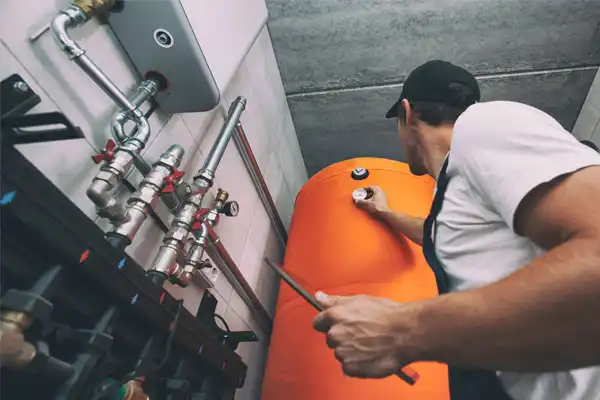
High-efficiency equipment can reduce fuel use, but only when installed correctly. Proper sizing matters. Bigger is not better. An oversized furnace can short cycle, create temperature swings, increase noise, and wear parts faster. A good heating contractor performs load calculations and evaluates duct capacity rather than replacing a 100,000 BTU mistake with a newer 100,000 BTU mistake that has a nicer brochure.
The maintenance visit that prevents the midnight symphony
Furnace maintenance is not glamorous. Nobody brags at dinner that their flame sensor was cleaned and their inducer amp draw checked, unless they are seated at a table of HVAC people, in which case someone will still interrupt to talk about static pressure. But annual maintenance catches many issues before they become breakdowns.
During a proper heating tune-up, the technician should inspect burners, clean the flame sensor when needed, test ignition, verify safety controls, check blower operation, inspect the heat exchanger as accessible, confirm venting, measure temperature rise, check electrical connections, inspect the filter, and look for water or condensate problems on high-efficiency models. If the company also provides air conditioning maintenance, spring and fall visits can coordinate around shared components, particularly the blower, thermostat, filter rack, and duct system.
Maintenance cannot prevent every failure. Motors fail. Boards fail. Igniters crack. Rodents occasionally make poor real estate decisions. But maintenance reduces surprises and gives you trend information. If a capacitor tests weak in October, replacing it then is usually easier than waiting until the blower refuses to start during a cold snap when everyone else in town has also discovered their furnace’s artistic side.
When plumbing and heating problems overlap
Furnace issues sometimes arrive with plumbing complications, especially in basements and utility rooms. High-efficiency furnaces produce condensate that must drain properly. If the condensate line clogs, the furnace may shut down on a pressure switch or float switch. That can look like a furnace failure when the root problem is water not leaving the cabinet.
This is where a company with both HVAC and plumbing experience has an advantage. A Plumber may be needed when condensate ties into a drain incorrectly, when floor drains back up, or when nearby water problems threaten equipment. Drain cleaning, Rooter service, or Hydrojetting can be relevant if the drainage system is restricted, especially in older homes with recurring backups. A furnace sitting near a slow floor drain is like a cat sitting near a full glass of water. Eventually, something bad happens.
Water heater repair and Water heater installation can also intersect with furnace safety when both appliances share a mechanical room or venting path. Atmospheric gas water heaters and older furnaces may compete for combustion air. Venting changes to one appliance can affect the other. Replacing a furnace without checking the water heater vent can create draft problems. Good contractors look at the room, not just the machine they were called to fix.
Plumbing leak repair matters too. A slow leak above or near a furnace can corrode cabinets, damage controls, and create mold around duct insulation. Plumbing repiping may sound unrelated to heating comfort, until an old galvanized line drips onto the furnace control board. Water softener installation may help protect plumbing fixtures and water heaters in hard-water areas, though it will not stop a furnace from banging. If someone sells you that promise, hide your wallet.
Electrical and lighting quirks that imitate furnace trouble
Some furnace complaints begin as electrical issues. A furnace that trips a breaker, dims lights heavily on startup, or behaves erratically during storms may need more than a part swap. Loose neutrals, overloaded circuits, weak breakers, poor grounding, and failing service panels can create intermittent failures. An Electrician can verify the circuit and panel conditions, while the furnace technician confirms equipment operation.
Lighting contractor work may enter the picture during basement renovations or utility room changes. Recessed lighting, finished ceilings, and new walls can restrict access to duct dampers, junction boxes, gas shutoffs, and service panels. I appreciate a pretty finished basement as much as anyone, but if the only way to reach the furnace disconnect is through a removable ceiling tile labeled “good luck,” the remodel has sinned.
Any mechanical room should preserve clearances around the furnace, water heater, electrical panel, and service points. Equipment needs air, access, and drainage. It does not thrive behind holiday decorations, paint cans, and the treadmill everyone swears they are about to start using again.
What homeowners can safely check before calling
There are a few sensible things to check before scheduling repair. The trick is knowing where homeowner troubleshooting ends and professional service begins. You can change a filter. You can verify thermostat settings. You can make sure vents are open and furniture is not blocking returns. You should not adjust gas pressure, bypass safety switches, disassemble burners, or poke around live electrical components with the confidence of a raccoon in a toolbox.
Here is a short, safe pre-call checklist:
- Replace or inspect the furnace filter and make sure it is installed in the correct airflow direction.
- Confirm the thermostat is set to heat, the temperature setting is above room temperature, and batteries are fresh if applicable.
- Check that supply registers and return grilles are open and not blocked by rugs, furniture, or curtains.
- Look at the furnace switch and breaker, but do not repeatedly reset a breaker that keeps tripping.
- Note when the noise happens: startup, blower operation, shutdown, or only after the system has run for several minutes.
That last point helps more than people realize. A bang before the blower starts suggests a different issue than a bang when the blower stops. A squeal during blower operation points elsewhere than a squeal from the inducer before ignition. Good notes can shave time off diagnosis and make you sound impressively furnace-literate, which is a small but satisfying winter victory.
Why uneven heating gets worse after “small” home changes
Comfort systems are sensitive to changes. Replace old leaky windows, and the heating load drops. Finish a basement, and airflow patterns change. Add a powerful kitchen range hood, and combustion air or house pressure may be affected. Install new carpet with thicker padding, and doors may have less undercut, reducing return airflow from bedrooms. Close vents in unused rooms, and static pressure rises.
Even air conditioning repair and heating complaints can share a cause months apart. A dirty evaporator coil from years of poor filtration restricts airflow during cooling season and continues to affect heating if the coil sits above the furnace. Air conditioning tune-up visits often uncover airflow restrictions that explain winter comfort problems. The calendar changes, but the blower does not know it is supposed to have separate personalities.
Septic system service seems far removed from furnace repair, yet homes with basement mechanical rooms and drain issues can see indirect effects. A backed-up main, failed sump arrangement, or drainage problem can flood equipment areas. Once water reaches furnace controls or blower motors, repair costs climb quickly. Mechanical systems live in the same house. They gossip.
The repair conversation should include options
A good technician explains findings in plain language. Not theatrical language. Not “your furnace is a ticking time bomb” unless there is an actual immediate hazard. Clear language. The homeowner should understand what failed, what likely caused it, what the repair costs, whether other related issues exist, and how long the repair is expected to last.
If a blower motor failed because the duct system has high static pressure, replacing the motor without addressing airflow may set the stage for a repeat failure. If burners are dirty because the furnace operates in a dusty laundry room, maintenance frequency may need to change. If uneven heating comes from duct design, no thermostat setting will fix it. If the furnace is oversized, some comfort issues may be baked into the installation.
Trade-offs matter. A basic repair may restore heat today at the lowest cost. A more comprehensive repair may improve reliability. Duct sealing may not be as exciting as new equipment, but it can deliver better comfort per dollar in some homes. Replacement may be wise when safety, age, efficiency, and repair cost align. The right answer depends on the house, the equipment, and the homeowner’s plans. If you are selling in six months, your decision may differ from someone settling in for the next twenty winters and three dogs.
The sounds of a system asking for respect
Furnaces are not mysterious once you understand the sequence. The thermostat calls for heat. The inducer starts. Safeties prove draft. Ignition begins. Gas flows. Burners light. The flame sensor confirms flame. The blower starts after a delay. Warm air moves through ducts. The thermostat satisfies. Burners shut off. The blower clears remaining heat. Everyone goes back to pretending the basement is not full of machinery keeping civilization intact.
Strange noises interrupt that sequence. Uneven heating exposes weaknesses in airflow, controls, insulation, or equipment sizing. A skilled furnace repair service listens to the sound, measures the system, and resists the lazy urge to blame the most expensive part first.
The best time to deal with furnace noise is when it is still just noise. The best time to deal with uneven heating is before your family develops a room-by-room wardrobe strategy. If the den requires shorts and the bedroom requires expedition socks, the house is not “quirky.” It is asking for help.
A furnace does not need to be silent, but it should be steady. It does not need to make every room identical, but it should keep the home reasonably balanced. When it starts banging, squealing, rattling, whistling, short cycling, or playing favorites with the heat, call someone who will treat the whole system, not just the loudest symptom. Your furnace may be dramatic, but your repair process does not have to be.
Name: Service Lion Plumbing Heating Air Electric
Address: 521 W Briardale Ave, Orange, CA 92865, United States
Phone: (657) 567-7305
Website: https://callservicelion.com/
Email: [email protected]
Hours:
Monday: Open 24 hours
Tuesday: Open 24 hours
Wednesday: Open 24 hours
Thursday: Open 24 hours
Friday: Open 24 hours
Saturday: Open 24 hours
Sunday: Open 24 hours
Open-location code: R48R+WV Orange, California, USA
Map/listing URL:
https://www.google.com/maps/search/?api=1&query=Google&query_place_id=ChIJQU4LBWHV3IARtnABtyykSA4
Google Map:
Socials:
https://www.facebook.com/ServiceLionCA/
https://www.youtube.com/channel/UCR_L35QzsRTxYZtX8PxJvPw
Local Service Information
Service Lion Plumbing Heating Air Electric provides plumbing, drain, heating, air conditioning, and electrical services from its Orange, California location.The company serves homeowners and properties throughout Orange and communities across Orange County and surrounding areas.
Available services include plumbing repairs, water heater work, drain and sewer services, heating and cooling service, electrical repairs, panels, lighting, outlets, and related home-system work.
Service is available for residential properties as well as light commercial needs described within the company's local service-area information.
The company's website emphasizes locally operated service, coordinated home-system support, and practical scheduling for plumbing, HVAC, and electrical needs.
The matching public business listing shows the Orange location as open 24 hours a day, seven days a week.
For service information or scheduling, call (657) 567-7305 or visit https://callservicelion.com/.
The public map listing identifies the business at 521 W Briardale Ave, Orange, CA 92865 and can be used for location and direction information.
Popular Questions About Service Lion Plumbing Heating Air Electric
What services does Service Lion Plumbing Heating Air Electric provide?
The company provides plumbing, drain and sewer, heating, air conditioning, and electrical services. Its published services include plumbing repair, water heaters, drain clearing, sewer work, HVAC repair and installation, electrical repairs, panels, circuit breakers, lighting, outlets, and related services.
Where is Service Lion Plumbing Heating Air Electric located?
The matching business location is 521 W Briardale Ave, Orange, CA 92865, United States.
What areas does Service Lion Plumbing Heating Air Electric serve?
The company serves Orange County and surrounding communities. Its published service-area information includes Orange, Anaheim, Brea, Yorba Linda, Fullerton, Huntington Beach, Newport Beach, Costa Mesa, Irvine, Lake Forest, and additional nearby cities.
Is Service Lion Plumbing Heating Air Electric open 24 hours?
The matching public business listing shows the location as open 24 hours on Monday through Sunday.
Does Service Lion Plumbing Heating Air Electric work on drains and sewer lines?
Yes. Published services include drain clearing, rooter service, camera inspection, hydro jetting, sewer line repair and installation, water line work, slab leak detection, and trenchless sewer line repair.
Does Service Lion Plumbing Heating Air Electric provide heating and air conditioning service?
Yes. Its published HVAC services include air conditioning repair and installation, heating service, furnace work, heat pumps, air ducts, indoor air quality assessments, and thermostat installation.
Does Service Lion Plumbing Heating Air Electric provide electrical service?
Yes. Published electrical services include repairs and installations, electrical panels, circuit breakers, safety inspections, lighting, outlets and switches, surge protection, generators, and EV charging equipment installation.
How can I contact Service Lion Plumbing Heating Air Electric?
Call (657) 567-7305.
Email: [email protected]
Website: https://callservicelion.com/
Facebook: https://www.facebook.com/ServiceLionCA/
Landmarks Near Orange, California
Old Towne Orange Historic District
A central historic district and useful geographic reference point for the Orange community.
Plaza Park
A well-known public gathering point in the center of Old Towne Orange.
Orange Public Library & History Center
A civic landmark serving residents near central Orange.
Hart Park
A major public park and recreation area south of central Orange.
Eisenhower Park
A public park serving neighborhoods in northern Orange.
Santiago Oaks Regional Park
A regional recreation and open-space landmark on the eastern side of Orange.
Irvine Regional Park
A large regional park and recognizable reference point east of the city.
Orange Park Acres
A distinctive residential community and service-area reference point in eastern Orange.
El Modena
An established Orange neighborhood that provides a practical local coverage reference.
Glassell Street
One of the city's principal north-south streets and a useful route through central Orange.
Lincoln Avenue
A major east-west roadway serving northern Orange and nearby communities.
State Route 55
A primary regional freeway connecting Orange with other parts of Orange County.