Heating Contractor Services for Maintenance and Repair
Heating has a talent for becoming interesting at the worst possible time. A furnace rarely waits for a slow Tuesday in October to make its feelings known. It prefers a cold snap, a holiday weekend, or the exact morning everyone in the building discovers that “room temperature” has become a philosophical concept.
That is where a heating contractor earns the name on the truck.
A proper heating contractor is not just someone who owns a ladder, a flashlight, and a heroic amount of confidence. The trade sits inside the larger world of plumbing, heating, and air-conditioning services, a category that includes heating equipment installation, furnace repair, air-conditioning work, plumbing repair, sewer hookups, sump pump service, refrigeration work, freezer work, and water pump installation. The work overlaps with HVAC, plumbing, and sometimes electrical tasks associated with heating and cooling equipment. That overlap is why a good service company often speaks several mechanical languages at once: combustion, airflow, refrigerant, drainage, water pressure, controls, wiring, and the mysterious dialect of “the noise only happens when my brother-in-law visits.”
Heating contractor services for maintenance and repair are about keeping buildings comfortable, safe, and efficient without turning every minor hiccup into a full mechanical opera. Maintenance tries to prevent the drama. Repair handles the scenes where the orchestra has already started.
What a heating contractor actually does
A heating contractor installs, maintains, and repairs heating equipment. In the broader HVAC trade, contractors also work with ventilation and air conditioning equipment. That can include air conditioners, heat pumps, furnaces, duct systems, and the plumbing or electrical work directly tied to those systems. It is a specialized trade, not a side quest.
The name can be a little misleading because many heating contractors do not live in heating alone. In real service life, heating and 24/7 air conditioning repair service cooling are siblings who share a room and argue over the thermostat. The same company may offer air conditioning maintenance in spring, furnace repair service in winter, heat pump installation when a building owner wants one system for both heating and cooling, and air conditioning repair when summer turns the indoor air into soup.
A heating contractor may also coordinate with or employ related trades. A plumber may be needed when heating equipment connects to water systems, condensate drains, or water heating. An electrician may be involved when equipment needs dedicated circuits, controls, or electrical troubleshooting beyond the HVAC equipment itself. A gas installation service may be part of the picture where gas-fired heating equipment is installed or serviced. A lighting contractor is usually a separate specialist, but electrical work around mechanical rooms and service areas sometimes makes clear why trade boundaries matter. Nobody wants the furnace fixed by someone who thinks wire colors are merely decorative.
The best contractors understand those boundaries. They know when a task is part of heating service, when it belongs to a licensed plumber, when it requires an electrician, and when a septic system service has absolutely no business being blamed for a furnace problem, even if the basement has been plotting against everyone.
Maintenance is not glamorous, which is exactly why it works
Maintenance is the sensible shoes of the HVAC world. Not flashy, not dramatic, often underappreciated, and deeply useful when the weather turns unpleasant.
Heating maintenance is built around inspection, cleaning, testing, adjustment, and the discovery of small problems while they are still small enough to be boring. Boring is the goal. Boring means the blower starts when it should. Boring means the safety controls behave. Boring means airflow is not being strangled by neglect. Boring means the system does not wait until the coldest morning of the season to demonstrate its commitment to chaos.
For HVAC equipment, maintenance can involve checking operating conditions, cleaning components, inspecting ductwork connections, verifying controls, reviewing electrical connections related to the equipment, and confirming that the system is running as intended. For air conditioners and heat pumps, proper refrigerant charging matters. Correct refrigerant charge helps reduce energy consumption and lowers the risk of failure. That is not a decorative detail. Refrigerant is not seasoning. More is not automatically better, and “close enough” is not a charging method.
An air conditioning tune-up, for example, is not just wiping a panel and saying encouraging things to the condenser. It is a service visit focused on helping the cooling system operate properly before the season beats on it for months. Air conditioning maintenance catches issues like poor airflow, dirty components, control trouble, and charge problems before they become an air conditioning repair service call in July. The same philosophy applies to heating maintenance before winter.
The practical value is simple: equipment that is installed correctly, maintained consistently, and repaired with care has a better chance of doing its job without wasting energy or destroying its own parts in protest.
Repair is diagnosis first, wrench second
There is a special kind of expensive mistake that happens when someone starts replacing parts before understanding the problem. It is the mechanical equivalent of changing every ingredient in a soup because it “tastes funny.” A heating contractor who is worth hiring diagnoses first.
A furnace repair service call might begin with the obvious complaint: no heat, short cycling, weak airflow, odd smell, unusual sound, or a thermostat that appears to have joined a silent retreat. The contractor then works through the system. Is the equipment receiving power? Are the controls calling for heat? Are safety devices preventing operation? Is airflow adequate? Is the ignition sequence behaving? Are related components clean and connected? Are there signs of improper installation, wear, blockage, or damage?
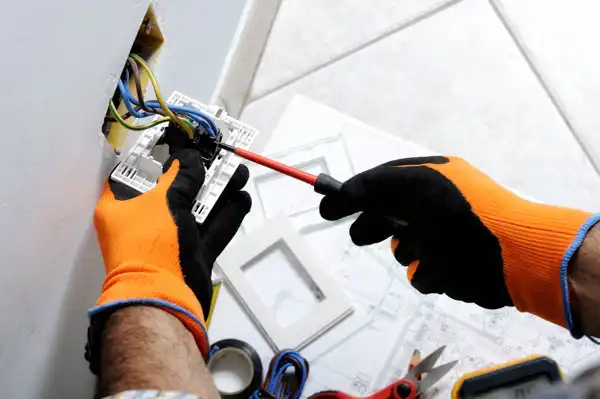
Good repair work respects cause and effect. A failed component may be the immediate problem, but the reason it failed matters. If a motor quits because airflow has been poor for ages, replacing the motor without addressing airflow is not repair. It is a very polite delay.
Heating repair can also intersect with plumbing. Some systems create condensate that must drain properly. Some equipment connects to water lines. Water heater repair and water heater installation are often handled by plumbing and mechanical professionals because water heating lives at the crossroads of comfort, plumbing, fuel, venting, and safety. Plumbing leak repair may not sound like heating work, but a mechanical room does not care about department labels. A leak near equipment can damage components, create access problems, or point to a broader system issue.
Drain cleaning, rooter service, and hydrojetting sit more squarely in plumbing, particularly when the issue involves drainage, sewer lines, or serious blockages. Still, customers often call the same trusted service company because the symptoms all happen in one house, usually in the least convenient room, and usually with a smell that discourages committee meetings.
The line between heating and air conditioning is getting blurrier
The old mental model was tidy: furnace for heat, air conditioner for cooling, and everyone goes home. Heat pumps made the story more interesting.
A heat pump installation can provide both heating and cooling through one system, depending on design and application. That means the contractor must understand heating performance, cooling performance, refrigerant handling, airflow, controls, and proper sizing. Air conditioning contractor skills and heating contractor skills meet in the same cabinet.
This is why quality installation matters so much. Equipment sizing is not guesswork, or at least it should not be. A system that is too large may cycle poorly. A system that is too small may struggle to meet demand. Proper refrigerant charging is also central for air conditioners and heat pumps, affecting energy use and failure risk. Installation quality is not the ribbon on the package. It is the package.
Maintenance matters here too. A heat pump may run during both cooling and heating seasons, so it can accumulate wear through more of the year than a cooling-only air conditioner or heating-only furnace. That does not mean it is fragile. It means service planning should match how the equipment is actually used. A system working both sides of the calendar deserves attention before both sides of the calendar.
What “full service” should mean without becoming a circus
Some companies describe themselves as full-service plumbing and HVAC contractors. That can be useful if the company truly has the trained people and proper scope for the work. It can also become vague if the phrase is used like glitter, sprinkled everywhere and cleaned up by no one.
A grounded service business may cover heating, ventilation, air conditioning, related plumbing, and equipment repair. HVAC contractor services can include installation, maintenance, repairs, duct cleaning, and plumbing or electrical work associated with heating and cooling equipment. That does not mean every technician does every task. It means the business understands how these systems interact and can assign the right professional to the right job.
A customer may start with a heating complaint and discover a connected issue. Perhaps the equipment runs, but airflow through the building is poor. Perhaps the system needs an electrical correction. Perhaps a condensate drain is blocked. Perhaps the water heater has reached the point where repair is no longer the sensible path and water heater installation should be discussed. Perhaps plumbing repiping or water softener installation is part of a larger plumbing plan, not a heating service, but still belongs under the same roof of mechanical expertise.
The trick is knowing what belongs together and what does not. A septic system service is a real and necessary specialty, but it is not a furnace repair strategy. A lighting contractor may solve illumination problems beautifully, but the glow from a new fixture will not fix a heat exchanger, no matter how flattering the basement looks afterward.
The maintenance visit: what deserves attention
A useful maintenance visit has a rhythm. The technician listens to the customer, observes the equipment, checks the system, cleans what needs cleaning, measures what needs measuring, and explains findings without making the homeowner feel as if they have accidentally enrolled in night school.
A concise maintenance check usually focuses on these practical areas:
- System operation, including startup, shutdown, controls, and safety-related behavior.
- Airflow and cleanliness, because restricted movement of air makes equipment work harder than it should.
- Electrical connections and components associated with the heating or cooling equipment.
- Fuel, venting, condensate, or drainage conditions where they apply to the specific system.
- Signs of wear, poor installation, improper charge, leaks, or conditions likely to become repairs.
That is one of the few places where a list earns its keep. The exact details vary by equipment type. A gas furnace does not get the same service steps as a heat pump. An air conditioner does not require the same checks as a water heater. A contractor who treats every machine the same way is not being efficient. They are being inattentive with a clipboard.
The customer should come away knowing what was done, what was found, what is urgent, what can wait, and what is simply worth watching. Not every rust spot is an emergency. Not every sound is doom. Not every old system must be replaced immediately. On the other hand, some problems should not be sweet-talked into another season. Judgment is the difference between service and sales theater.
Repair calls: the art of not guessing loudly
When a heating system fails, people understandably want speed. Speed matters. So does accuracy. A fast wrong repair is just a scenic route to a second invoice.
Good repair service begins with the complaint but does not stop there. “No heat” is a symptom, not a diagnosis. The cause could involve power, controls, ignition, airflow, fuel supply, safety switches, blocked drainage, failed components, installation defects, or a combination of problems that formed a tiny mechanical book club and chose misery as the theme.
The same is true in cooling. Air conditioning repair may involve refrigerant charge, airflow, electrical components, controls, or dirty equipment. Air conditioning repair service should not automatically mean adding refrigerant. If refrigerant is low, the reason matters. If the system was not properly charged during installation or service, correcting the charge matters. If a leak exists, that is a different conversation. A technician who treats refrigerant like windshield washer fluid is not doing the equipment any favors.
Repair also depends on access and condition. A clean, reachable unit with clear service space is kinder to diagnose than equipment buried behind storage boxes, paint cans, holiday decorations, and a treadmill that has not seen a human heartbeat since 2016. Serviceability is not just a technician preference. It affects time, safety, and accuracy.
Installation quality haunts maintenance and repair
Many repair problems begin long before the customer notices anything wrong. They begin during installation.
Proper HVAC installation includes correct equipment sizing and correct refrigerant charging for air conditioners and heat pumps. Those two details alone can affect comfort, energy use, and failure risk. Installation also involves matching equipment to the building, setting up controls properly, ensuring airflow, and handling the plumbing or electrical connections associated with the equipment.
A heating contractor called for repair may uncover installation-related trouble. Maybe the system was not sized properly for the load it serves. Maybe duct conditions limit airflow. Maybe a condensate line was poorly arranged. Maybe electrical work associated with the unit was not completed cleanly. Maybe the equipment is good equipment forced to perform under bad circumstances, like a chef trying to cook dinner with a flashlight and a garden rake.
This is why the cheapest installation often ages badly. A low bid can be honest and efficient, but if the price works only because sizing, setup, charging, or commissioning were rushed, the savings may reappear later as repair bills. Mechanical systems remember shortcuts. They are petty like that.
When replacement makes more sense than repair
No contractor should replace equipment just because repair is less exciting. Repair often makes sense. A single failed part on an otherwise serviceable system is not automatically a retirement party. But replacement enters the conversation when repairs become frequent, the equipment no longer performs reliably, installation defects are severe, or the system cannot meet the building’s needs.
The honest discussion is not “repair good, replacement bad” or the reverse. It is about the building, the equipment, the cost, the expected benefit, and the risk of more failures. Sometimes furnace repair service buys many more comfortable seasons. Sometimes heat pump installation or new heating equipment gives the owner better performance and fewer service interruptions. Sometimes water heater repair is sensible, and sometimes water heater installation is the adult decision, even if nobody feels festive about it.
Customers deserve clear options. A contractor should explain what repair addresses, what it does not address, and whether other issues may remain. The same applies when recommending replacement. New equipment should not be sold as a magic object. It still needs proper sizing, proper installation, appropriate connections, and future maintenance.
Plumbing, heating, cooling, and the basement ecosystem
The mechanical room is where trades overlap and dust gathers in judgment. Heating equipment may share space with water heaters, plumbing lines, electrical panels, sump pumps, drains, and sometimes the household items nobody admits owning. That is why service companies with plumbing and HVAC knowledge can be valuable.
A plumber may handle plumbing leak repair, drain cleaning, rooter service, hydrojetting, plumbing repiping, water softener installation, water heater repair, and water heater installation. Those services are not the same as heating repair, but in real buildings, water and HVAC equipment often coexist closely. A leak can affect equipment. A blocked drain can interrupt operation where condensate is involved. A water heater problem can be mistaken by customers for a broader heating issue because both produce the same emotional response: “Why is everything cold?”
Air conditioning contractor work can overlap too. Central cooling systems, heat pumps, and ventilation components interact with ducts, controls, and airflow. Air conditioning maintenance in spring and heating maintenance in fall are not separate rituals performed to please the calendar. They address different operating modes of the same comfort ecosystem.
Electrical expertise matters because modern heating and cooling equipment depends on controls, motors, boards, switches, and proper power. An electrician is the right professional for electrical work outside the HVAC contractor’s scope, while many HVAC contractors handle electrical tasks directly associated with the equipment they install and service. Clear scope prevents mistakes. It also prevents the classic jobsite sentence, “I thought the other guy was doing that,” which has never improved civilization.
What customers should expect from a good service call
A heating contractor does not need to arrive with fireworks, although a working furnace in January may feel close enough. The service experience should be organized, understandable, and specific.
A good service call usually includes:
- A clear conversation about symptoms, timing, recent changes, and previous service.
- A system evaluation based on the equipment type rather than a one-size-fits-all routine.
- A plain explanation of findings, including what is urgent and what is optional.
- Written or clearly stated repair and maintenance recommendations.
- Respect for trade boundaries when plumbing, gas, electrical, septic, or lighting work falls outside the immediate heating scope.
The best technicians translate without condescending. They do not bury the customer in jargon, but they also do not reduce everything to “the thingy is bad.” People can handle real explanations. They live with the equipment, pay the bills, and hear the noises at night. They deserve better than mechanical fortune cookies.
The quiet economics of maintenance
Maintenance is often sold as a way to prevent breakdowns, which is fair, but slightly incomplete. It also helps preserve performance. Dirt, airflow restrictions, incorrect settings, poor electrical connections, and neglected components can all make equipment work harder. Harder work can mean higher energy use and more stress on parts. For air conditioners and heat pumps, improper refrigerant charging can increase energy consumption and raise failure risk. That is not marketing poetry. That is the physics of a system being asked to run under poor conditions.
The economics vary by building and equipment. Nobody can honestly promise that a tune-up will prevent every repair. Machines contain parts, parts age, and weather has a flair for melodrama. But maintenance improves the odds by catching issues early and keeping the system closer to its intended operating condition.
There is also the value of planning. A contractor who inspects equipment regularly can help an owner prepare for future replacement instead of discovering it during a failure. That matters because emergency decisions are rarely elegant. People do not comparison-shop well while wearing a coat indoors.
Commercial and residential service are cousins, not twins
Heating contractor services apply across residential, commercial, institutional, industrial, and governmental settings. The fundamentals travel, but the scale and consequences change.
In a home, a heating failure means discomfort, disrupted routines, and possibly urgent repairs. In a commercial space, it can affect employees, customers, equipment, and operations. In institutional or governmental buildings, service needs may involve scheduling, access control, documentation, and continuity of use. Larger systems may also require different maintenance planning and more coordination among trades.
The core remains the same: install correctly, maintain intelligently, repair accurately, and know when related work requires a plumber, electrician, gas installation service, or another specialist. The larger the building, the more expensive guessing becomes.
Why certifications, rules, and trade categories matter
The mechanical trades are not casual hobbies with invoices. Plumbing, heating, air-conditioning, refrigeration, electrical work, gas work, and related services carry technical and safety responsibilities. HVAC contractors specialize in installing and maintaining heating, ventilation, and air-conditioning equipment. Air-conditioning service and repair is recognized as its own service category. Technicians who maintain, service, repair, or install appliances such as air conditioners and refrigeration equipment operate in a regulated environment, especially where refrigerants are involved.
That matters to customers because it separates professional service from “my cousin watched three videos and owns pliers.” Enthusiasm is charming. Improper work is expensive.
A reputable heating contractor understands the applicable rules, the equipment, and the limits of their scope. They document work, explain options, and do not treat safety devices as inconveniences. Safety controls are not there to annoy the technician. They are there because equipment has a history, and that history includes some poor choices made by humanity.
Choosing the right heating contractor without needing a detective board
The right contractor is not always the biggest, cheapest, or loudest. The right contractor is the one who can explain the work, perform it competently, and respect the systems connected to it.
Look for clarity. If you ask what is wrong, the answer should include evidence. If you ask whether maintenance is needed, the answer should connect to the condition and type of equipment. If replacement is recommended, the contractor should discuss sizing, installation quality, and the reason repair may not be the better choice. If the job touches plumbing, gas, electrical, or drainage, the company should identify who handles that work and how.
Be cautious with anyone who jumps to a single solution before inspecting the system. Be equally cautious with anyone who dismisses maintenance as pointless. The truth lives between panic and neglect. Most mechanical systems benefit from regular attention, accurate diagnosis, and repairs that address causes rather than symptoms.
A contractor’s range of services can also help. If the same company has qualified professionals for heating contractor work, air conditioning repair, air conditioning maintenance, water heater repair, plumbing leak repair, drain cleaning, and related mechanical services, scheduling may be simpler and the diagnosis may be more complete. That convenience only matters if the people are actually qualified. A long service menu is useful. A long service menu written by ambition alone is just a restaurant with too many pages.
A few service scenarios that happen more often than people expect
A homeowner calls for furnace repair because the system starts and stops too quickly. The issue may be a failing part, but it may also involve airflow. If the contractor only swaps a component without checking the system’s breathing, the furnace may return to its old habits. Equipment, like people, gets cranky when it cannot breathe.
A building owner schedules air conditioning repair because the cooling seems weak. The cause might involve refrigerant charge, dirty components, controls, or airflow. Proper charging matters, but charging without diagnosis is lazy. The right repair depends on what testing shows.
A customer asks about heat pump installation because they want both heating and cooling from one system. That conversation should include sizing, installation details, controls, and maintenance expectations. It should not be handled like choosing a toaster.
A water heater repair call reveals that plumbing conditions also need attention. The contractor may discuss water heater installation if repair is not sensible, or recommend related plumbing service if piping, leaks, or water quality are part of the issue. Water softener installation may be relevant in broader plumbing planning, but it should not be sold as a mystical cure for every mechanical complaint.
A blocked drain near HVAC equipment creates operational problems or water where water should not be. Drain cleaning, rooter service, or hydrojetting may enter the conversation depending on the drainage issue. This is where the plumber and HVAC technician become uneasy allies, united against sludge.
Good service is less dramatic than bad service
The strange truth about heating contractor services is that the best work often disappears. The system runs. The building stays comfortable. The air conditioner survives summer. The furnace behaves through winter. The heat pump switches modes without turning the living room into a weather experiment. The water heater heats water, which is all anyone ever wanted from it.
Bad service announces itself. It creates callbacks, noises, smells, leaks, short cycling, high bills, and household debates conducted in sweaters. Good service is quieter. It leaves behind documented work, stable equipment, and fewer surprises.
Maintenance and repair are not glamorous, but they are the backbone of comfort. A heating contractor who understands HVAC, respects plumbing and electrical boundaries, handles air conditioning maintenance with the same seriousness as furnace service, and diagnoses before replacing parts is worth keeping. The truck may not arrive with a red carpet. Still, when the heat comes back on and the house stops feeling like a walk-in cooler, nobody complains about the lack of ceremony.
Name: Service Lion Plumbing Heating Air Electric
Address: 521 W Briardale Ave, Orange, CA 92865, United States
Phone: (657) 567-7305
Website: https://callservicelion.com/
Email: [email protected]
Hours:
Monday: Open 24 hours
Tuesday: Open 24 hours
Wednesday: Open 24 hours
Thursday: Open 24 hours
Friday: Open 24 hours
Saturday: Open 24 hours
Sunday: Open 24 hours
Open-location code: R48R+WV Orange, California, USA
Map/listing URL:
https://www.google.com/maps/search/?api=1&query=Google&query_place_id=ChIJQU4LBWHV3IARtnABtyykSA4
Google Map:
Socials:
https://www.facebook.com/ServiceLionCA/
https://www.youtube.com/channel/UCR_L35QzsRTxYZtX8PxJvPw
Local Service Information
Service Lion Plumbing Heating Air Electric provides plumbing, drain, heating, air conditioning, and electrical services from its Orange, California location.The company serves homeowners and properties throughout Orange and communities across Orange County and surrounding areas.
Available services include plumbing repairs, water heater work, drain and sewer services, heating and cooling service, electrical repairs, panels, lighting, outlets, and related home-system work.
Service is available for residential properties as well as light commercial needs described within the company's local service-area information.
The company's website emphasizes locally operated service, coordinated home-system support, and practical scheduling for plumbing, HVAC, and electrical needs.
The matching public business listing shows the Orange location as open 24 hours a day, seven days a week.
For service information or scheduling, call (657) 567-7305 or visit https://callservicelion.com/.
The public map listing identifies the business at 521 W Briardale Ave, Orange, CA 92865 and can be used for location and direction information.
Popular Questions About Service Lion Plumbing Heating Air Electric
What services does Service Lion Plumbing Heating Air Electric provide?
The company provides plumbing, drain and sewer, heating, air conditioning, and electrical services. Its published services include plumbing repair, water heaters, drain clearing, sewer work, HVAC repair and installation, electrical repairs, panels, circuit breakers, lighting, outlets, and related services.
Where is Service Lion Plumbing Heating Air Electric located?
The matching business location is 521 W Briardale Ave, Orange, CA 92865, United States.
What areas does Service Lion Plumbing Heating Air Electric serve?
The company serves Orange County and surrounding communities. Its published service-area information includes Orange, Anaheim, Brea, Yorba Linda, Fullerton, Huntington Beach, Newport Beach, Costa Mesa, Irvine, Lake Forest, and additional nearby cities.
Is Service Lion Plumbing Heating Air Electric open 24 hours?
The matching public business listing shows the location as open 24 hours on Monday through Sunday.
Does Service Lion Plumbing Heating Air Electric work on drains and sewer lines?
Yes. Published services include drain clearing, rooter service, camera inspection, hydro jetting, sewer line repair and installation, water line work, slab leak detection, and trenchless sewer line repair.
Does Service Lion Plumbing Heating Air Electric provide heating and air conditioning service?
Yes. Its published HVAC services include air conditioning repair and installation, heating service, furnace work, heat pumps, air ducts, indoor air quality assessments, and thermostat installation.
Does Service Lion Plumbing Heating Air Electric provide electrical service?
Yes. Published electrical services include repairs and installations, electrical panels, circuit breakers, safety inspections, lighting, outlets and switches, surge protection, generators, and EV charging equipment installation.
How can I contact Service Lion Plumbing Heating Air Electric?
Call (657) 567-7305.
Email: [email protected]
Website: https://callservicelion.com/
Facebook: https://www.facebook.com/ServiceLionCA/
Landmarks Near Orange, California
Old Towne Orange Historic District
A central historic district and useful geographic reference point for the Orange community.
Plaza Park
A well-known public gathering point in the center of Old Towne Orange.
Orange Public Library & History Center
A civic landmark serving residents near central Orange.
Hart Park
A major public park and recreation area south of central Orange.
Eisenhower Park
A public park serving neighborhoods in northern Orange.
Santiago Oaks Regional Park
A regional recreation and open-space landmark on the eastern side of Orange.
Irvine Regional Park
A large regional park and recognizable reference point east of the city.
Orange Park Acres
A distinctive residential community and service-area reference point in eastern Orange.
El Modena
An established Orange neighborhood that provides a practical local coverage reference.
Glassell Street
One of the city's principal north-south streets and a useful route through central Orange.
Lincoln Avenue
A major east-west roadway serving northern Orange and nearby communities.
State Route 55
A primary regional freeway connecting Orange with other parts of Orange County.