Hydrojetting and Sewer Line Cleaning Topics
A sewer line has no sense of timing. It will not wait until after dinner guests leave, after the long weekend, or after the toddler stops treating the bathroom like a water park with porcelain fixtures. When a drain backs up, the house suddenly becomes very honest about how much modern comfort depends on quiet pipes doing unglamorous work behind walls, under floors, and beneath the yard.
That is where sewer line cleaning earns its keep. It is not glamorous. It does not have the showroom sparkle of a new heat pump installation or the satisfying before-and-after glow of upgraded lighting. But ask any Plumber who has stood in a laundry room at 9 p.m. Listening to a floor drain gurgle like a swamp creature, and they will tell you sewer cleaning is one of those services people do not think about until it becomes the only thing they can think about.
Hydrojetting sits in that same family of hard-working, problem-solving services. It is often discussed alongside Drain cleaning and Rooter service because all three live in the same neighborhood of trouble: slow drains, blocked lines, stubborn buildup, and the kind of wastewater drama nobody wants on a Tuesday. The difference is that hydrojetting is usually talked about as the more aggressive cleaning approach, the option people ask about when a line needs more than a gentle nudge and a motivational speech.
The trick, as with most trade work, is knowing when it fits, when it does not, and why the person holding the equipment matters more than the shiny name of the service.
The sewer line is the quiet employee of the house
A home has a few obvious comfort systems. The air conditioner gets attention when the house feels like a baked potato. The furnace gets attention when everyone starts wearing socks to bed. The water heater gets attention when a shower turns into a character-building experience. The sewer line, though, usually stays invisible until it complains.
That invisibility is partly why sewer issues catch people flat-footed. Homeowners often think of plumbing as fixtures: toilets, sinks, tubs, showers, hose bibs, maybe the garbage disposal if it has recently eaten a spoon. A Plumber sees the house differently. Fixtures are just the front desk. The real action is in supply lines, drain lines, vents, water heaters, shutoff valves, cleanouts, pumps, and the main sewer connection.
Sewer line cleaning belongs to the drain side of that world. It is connected to plumbing repair, sewer hookups, sump pump service, and water pump installation, all work recognized within the plumbing, heating, and air-conditioning trade category. That category can sound broad because it is broad. In the field, a service company might move from Plumbing leak repair in the morning to Drain cleaning after lunch, then finish the day helping with Water heater repair or Water heater installation. The trucks do not get bored.
The important point is that sewer line cleaning is not an isolated parlor trick. It sits inside a wider system of home service judgment. If the drain issue is only a clog, cleaning may solve it. If the problem is tied to fixture use, pipe condition, venting, improper installation, or a different plumbing concern, cleaning alone may be the equivalent of putting a bow tie on a raccoon. Stylish, yes. Effective, not so much.
Hydrojetting, rooter work, and the art of not guessing
People often use sewer cleaning terms loosely. A homeowner may say, “I need the sewer jetted,” when what they really mean is, “Something awful is happening downstairs and I would like it to stop.” Fair enough. Panic is not a technical dialect.
Rooter service is a familiar term in drain work. It commonly points to mechanical clearing of a blockage. Drain cleaning is the bigger umbrella phrase, covering a range of methods and service calls. Hydrojetting, as the name suggests, refers to cleaning with high-pressure water. In practical conversation, many customers think of it as a deeper cleaning option, while basic drain clearing is thought of as removing the immediate obstruction.
The right method depends on the situation. Trade work rewards diagnosis. A good technician does not walk into a home, hear the word “clog,” and automatically reach for the most dramatic tool available. That is how you turn a repair visit into dinner theater.
A careful service call starts with symptoms. Which fixtures are affected? Is it one sink, one bathroom group, or the whole house? Does water back up in the tub when the toilet flushes? Does the washing machine discharge cause trouble? Is the floor drain involved? Has the line been cleaned before? How recently? Did the problem improve for a week, a month, or not at all? These questions sound simple, but they separate a local fixture blockage from a larger drain or sewer concern.
Then comes access. Sewer line cleaning needs a place to work from, often a cleanout or another appropriate entry point. Access can be the difference between a straightforward visit and a longer, more complicated one. Older buildings, remodels, finished basements, and creative prior repairs can hide access points like they were witness protection participants.
And then there is judgment about the broader home. Plumbing does not live alone. Many service companies operate in overlapping trades: plumbing, heating, air conditioning, and sometimes electrical work associated with heating and cooling equipment. That does not mean every technician does every task. It means the best contractors understand that homes are connected systems. A Heating contractor working on a furnace, an Air conditioning contractor handling cooling equipment, an Electrician addressing circuits, and a Plumber resolving sewer trouble all serve the same goal: keep the building safe, comfortable, and functional without creating a new problem while fixing the old one.
Signs the drain problem may be bigger than one fixture
A slow bathroom sink is annoying. A sewer backup is an event. The difference matters.
If one fixture drains slowly, the problem may be near that fixture. Hair, soap residue, debris, or a localized restriction can make a sink or tub drain act like it is considering retirement. But when several fixtures misbehave at the same time, especially fixtures on lower levels, the main drain or sewer line becomes more suspicious.
The most memorable calls often involve clues that the house has been giving for weeks. A toilet burps. A tub drains slowly after the washing machine runs. A basement floor drain makes noises that would be excellent in a low-budget monster film. Someone says, “It has always done that,” which is contractor code for “It has been asking for help in three languages.”
Here are common warning signs worth taking seriously:
- Multiple drains slow down at the same time.
- Water backs up in a lower fixture when another fixture is used.
- Gurgling comes from toilets, tubs, or floor drains.
- Sewer odors appear near drains or utility areas.
- The same line needs repeated clearing within a short period.
That is one list, and it earns its place because these symptoms are easy to miss individually but persuasive as a group. None of them proves one exact cause by itself. Together, they justify calling a professional instead of sacrificing another bottle of miracle liquid to the plumbing gods.
Why “just clear it” is not always enough
There is a difference between opening a line and cleaning a line. Opening a line means wastewater can move again. Cleaning a line aims to remove more of the material affecting the inside of the pipe. The distinction matters because a line can appear fixed in the moment, then return to trouble once regular use resumes.
This is where customers sometimes get frustrated. From their point of view, the drain was clogged, the technician worked on it, the water went down, and the bill was paid. If the problem comes back, it feels like the first visit failed. Sometimes that is true. Sometimes the first visit solved the immediate obstruction but exposed a bigger issue. Sometimes access was limited. Sometimes the line needs additional work. Sometimes the pipe itself is part of the story.
A seasoned Plumber learns to explain this before the work begins. The customer deserves plain language, not a fog machine of trade jargon. “We can attempt to clear the line from this access point. If it opens and drains normally, good. If it clogs again quickly, we may need a more thorough cleaning approach or further evaluation.” That is not hedging. That is honesty with work boots on.
Hydrojetting often enters the conversation when repeated blockages suggest that basic clearing is not doing enough. It may also come up for lines with heavy buildup, recurring grease-related trouble, or commercial-style use patterns, depending on the property and the equipment available. The key phrase is “may come up.” It is not a universal answer. No respectable trade professional treats one service like a magic wand. Magic wands do not come with liability insurance.
The contractor behind the nozzle matters
Home service categories overlap more than most customers realize. Plumbing, heating, and air-conditioning contractors are recognized as special trade contractors, and that broad category includes plumbing repair, air-conditioning work, furnace repair, heating equipment installation, sewer hookups, sump pump service, and related work. Electrical work is separately classified, though in real buildings, certain heating and cooling jobs may involve electrical tasks connected to equipment installation or service.
Why bring that up in a sewer cleaning article? Because the label on the truck only tells part of the story. A company might advertise as a Plumber, Heating contractor, Air conditioning contractor, Air conditioning repair service, or even broader home service provider. What matters is whether the technician assigned to the job has the right training, tools, and scope for the work at hand.
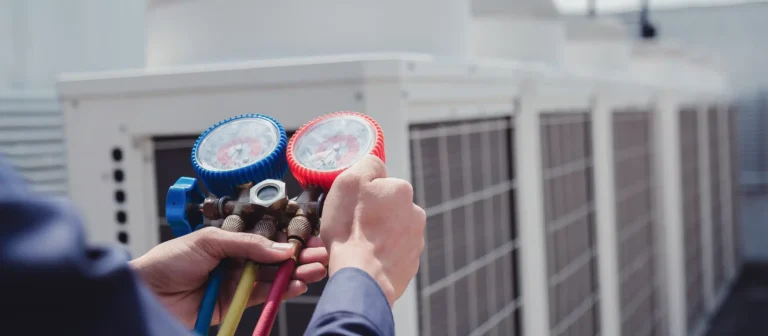
The same principle applies across trades. For Air conditioning 24/7 rooter service repair, a technician should understand equipment service, refrigerant-related requirements, proper charging, and the consequences of poor installation or maintenance. ENERGY STAR guidance points to correct equipment sizing and refrigerant charging as important for air conditioners and heat pumps, including energy use and failure risk. For a Heat pump installation, sizing and charging are not decorative details. They are the difference between comfort and a machine that spends its life doing cardio.
Sewer cleaning has its own version of that truth. Tools matter. Access matters. Diagnosis matters. The technician’s judgment matters most. Hydrojetting equipment in careless hands is not better than simpler drain equipment in skilled hands. It is just louder, wetter, and more expensive.
When hydrojetting is worth discussing
Hydrojetting tends to be most useful as a conversation when drain problems are persistent, widespread, or suggest that the line needs more than a basic clearing. A single slow sink does not usually need the full cavalry. A main line that repeatedly clogs may deserve a deeper look.
The phrase “worth discussing” is deliberate. A reputable contractor should not sell the most intensive option before understanding the job. Some homes have straightforward drainage problems. Some have poor access. Some have older pipe conditions that call for caution. Some have issues outside cleaning altogether. The only honest answer at the first phone call is usually, “We need to evaluate it.”
That may sound unsatisfying, but good tradespeople know when not to overpromise. The same restraint applies in HVAC. An Air conditioning tune-up can improve routine performance and catch maintenance concerns, but it cannot turn undersized equipment into a properly designed system. Air conditioning maintenance matters, but it is not a spell against every breakdown. Furnace repair service can restore heat when a repairable component fails, but it cannot make a failing system young again. Water softener installation can help address water quality goals where appropriate, but it will not repair a leaking pipe. Plumbing repiping may solve piping problems that patchwork repairs cannot, but it is a larger decision.
Every trade has its “right tool, wrong moment” trap. Hydrojetting is no different.
The phone call that saves everyone time
The best service calls often begin with a better phone call. Not a longer one, necessarily. Just more useful. Customers sometimes apologize for not knowing the technical terms. No apology needed. Nobody expects a homeowner to describe drain behavior like a field manual. Plain details are gold.
Say what is happening, where it is happening, and when it happens. Mention whether the issue affects one fixture or several. If sewage has backed up, say so. If a cleanout exists and you know where it is, mention it. If another company recently cleared the line, share that too. Contractors are not offended by history. They are offended by mystery wearing a fake mustache.
For sewer line cleaning, the schedule can also matter. A slow drain may allow for a normal appointment. Active backup, especially in a lower level, is more urgent. If water or wastewater is entering living space, the problem has moved from inconvenience to property protection. The right response may involve stopping water use until the line can be addressed. Nobody wants to learn that the washing machine has been enthusiastically feeding a basement flood.
Cleanouts, access, and the small details that rule the day
Cleanouts are one of those plumbing features that become beloved only during trouble. They provide access to drain or sewer piping for service. When a cleanout is easy to find, reachable, and usable, everyone’s day improves. When it is buried behind finished walls, hidden under stored holiday decorations, or painted shut by someone with more enthusiasm than restraint, the day becomes more interesting.
Access does not just affect convenience. It affects what work can be attempted and how efficiently. A Plumber may need to choose the safest and most practical entry point based on the layout. That choice can influence equipment selection, cleanup, and the likelihood of reaching the affected area.
This is why experienced technicians often ask to see basements, utility rooms, crawl spaces, and exterior areas. They are not sightseeing. They are reading the building. A home’s drain system tells a story through pipe routes, fixture groups, cleanouts, pumps, prior repairs, and sometimes the unmistakable signature of the previous owner’s cousin who “knew plumbing.” Every trade has met that cousin. Electricians have a file on him. Lighting contractors whisper about him. Gas installation service professionals prefer not to discuss him before coffee.
Sewer cleaning and septic systems are related, not identical
Homes connected to municipal sewer systems and homes with septic systems have different downstream realities. Septic system service is its own category for a reason. A drain problem inside the home may feel similar at the fixture, but the system beyond the building can change the diagnosis and the service approach.
If a property uses a septic system, tell the contractor before work starts. That context matters. It may affect how the technician thinks about the line, the tank, the drainfield, usage patterns, and whether the issue is truly a clog in the house plumbing or something that belongs in septic service territory. A backed-up drain does not politely announce which side of the system is misbehaving. It just makes the bathroom unusable and lets the professionals argue with physics.
The boundary between plumbing service and septic service can be practical as well as technical. Some contractors handle both. Some do not. What you want is not the broadest advertisement. You want the correct service for the actual problem.
What homeowners should not do while waiting
There is a particular kind of bravery that appears when a drain backs up. Someone rolls up sleeves, watches two online videos, and decides the sewer line needs personal leadership. Sometimes this ends fine. Sometimes the result is a broken fixture, a chemical hazard, or a very sheepish call to a professional.
The safest homeowner response is usually boring. Stop using affected fixtures if wastewater is backing up. Keep people away from contaminated areas. Do not keep flushing “just to test it.” The sewer line has already failed the audition. Repeated testing only gives it more stage time.
Chemical drain products deserve caution. They may not solve a main sewer issue, and they can create unpleasant working conditions if a technician later has to open the line. A Plumber arriving to a backed-up fixture full of mystery chemicals is not receiving a gift. They are receiving a spicy liability soup.
If water is actively damaging property, the issue may also require cleanup beyond plumbing. The drain line must be addressed, but wet materials and contaminated water raise separate concerns. A sewer cleaning visit is about restoring drainage. It is not automatically the same thing as remediation, repair of finishes, or replacement of damaged belongings.
How sewer cleaning fits into whole-home maintenance
Most homeowners maintain what they can see. Filters get changed because the return grille is in the hallway. Light bulbs get replaced because darkness is persuasive. Air conditioning maintenance gets scheduled when summer is near, especially after one memorable season of sleeping under a ceiling fan and negotiating with the thermostat. Furnace service gets attention when the first cold snap arrives and the system smells like dust and regret.
Drain systems need a different mindset because they hide. You cannot glance at a sewer line and say, “Looks a little tired.” You notice behavior. Slow drainage, recurring clogs, odors, gurgling, and backups are the maintenance reminders.
This is why combining observations across trades helps. A company that handles plumbing and HVAC may see patterns during routine visits. During Water heater repair, a technician may notice floor drain issues. During Water heater installation, utility room drainage and access may become relevant. During Air conditioning repair or an Air conditioning tune-up, condensate drainage may be part of the service conversation. During heat pump or furnace work, electrical and plumbing details tied to equipment may come into view. The U.S. Department of Energy describes HVAC contractors as specialized contractors whose core business involves installing and maintaining heating, ventilation, and air-conditioning equipment, and their services can include installation, maintenance, repairs, duct cleaning, and plumbing or electrical work associated with heating and cooling equipment. In the field, that overlap is not theory. It is Tuesday.
Still, overlap does not erase specialization. Electrical work is separately classified, and not every plumbing technician is an Electrician. Not every Air conditioning contractor performs sewer work. Not every Heating contractor handles drain cleaning. Homeowners should ask directly instead of assuming one license, one truck, or one logo covers every need.
Questions worth asking before approving sewer line cleaning
A good contractor should welcome practical questions. Not a cross-examination under a desk lamp, just enough clarity so both sides understand the plan. The best questions focus on diagnosis, access, method, expected outcome, and limits.
Ask these before work begins:
- What signs point to a main line issue rather than a single fixture clog?
- What access point do you plan to use, and is it suitable?
- Are you clearing the line, cleaning the line, or recommending both?
- What would make you suggest hydrojetting instead of another method?
- If the problem returns quickly, what is the next step?
That is the second and final list. It belongs here because those five questions can prevent the classic service-call fog where everyone nods politely and nobody knows what is happening.
Notice that none of those questions demands a guaranteed miracle. Good contractors can explain what they can do, what they expect, and what they cannot know yet. Bad contractors sell certainty before evidence. Sewer lines punish arrogance. So do air conditioners, furnaces, water heaters, and electrical panels. Buildings have a dry sense of humor.
The price conversation, minus the circus music
People want to know what sewer cleaning costs. Fair question. The honest answer depends on access, severity, method, timing, location, equipment, and whether the service is a routine clearing or a more involved cleaning. Emergency calls generally differ from scheduled work. Hard-to-reach cleanouts differ from easy access. A simple stoppage differs from a recurring problem that needs deeper evaluation.
The frustrating part is that homeowners often want a firm number before anyone has seen the building. Contractors want to avoid quoting a fantasy. The better middle ground is a clear explanation of dispatch fees, diagnostic fees, basic service ranges if offered, and what circumstances change the price. Nobody enjoys surprise pricing unless it is surprisingly lower, which happens about as often as a drain clog fixing itself out of courtesy.
A professional estimate should define the work. “Drain cleaning” is not always specific enough. Which line? Which access? What method? What outcome is expected? Is cleanup included only around the work area? Are additional repairs separate? If hydrojetting is recommended, what is the reason? The more precise the conversation, the less room there is for disappointment to grow mold.
Why maintenance beats heroics
Emergency plumbing has a certain dramatic flair. Trucks arrive, equipment comes out, someone clears space in the basement, and the household gathers at a safe distance pretending not to stare. But heroics cost more than maintenance, and they usually happen at worse times.
Routine awareness is not complicated. Treat early symptoms as information. Do not ignore recurring clogs. Keep access points reachable. Know whether your home is on sewer or septic. Avoid treating toilets and drains like disposal units with unlimited patience. If a line has needed repeated service, discuss whether a different cleaning approach or further evaluation makes sense.
The same attitude works across the mechanical systems of a home. Air conditioning maintenance before peak heat is less stressful than Air conditioning repair during a heat wave. A furnace check before cold weather beats discovering a heat problem during the first freeze. Water heater repair caught early may be simpler than dealing with a failed unit and a wet floor. Lighting contractor work planned during a remodel beats opening finished walls twice. Gas installation service should be handled carefully and professionally, not squeezed between errands by someone with a wrench and optimism.
Maintenance is not glamorous. It is cheaper than chaos, and it smells better.
The homeowner’s best ally is a contractor who explains limits
The mark of a strong service company is not that it says yes to everything. It is that it knows what it does well, explains the limits, and brings in the right trade when needed. Plumbing, heating, air-conditioning, and electrical work have recognized service boundaries, even when they overlap in real buildings. A contractor that installs and maintains HVAC equipment may also deal with plumbing or electrical work associated with that equipment. A plumbing-focused company may handle drain cleaning, hydrojetting, water heaters, repiping, water softeners, and sewer-related work. An electrical specialist may be needed for electrical work beyond another contractor’s scope.
For the customer, the best experience comes from clear diagnosis and honest recommendations. If hydrojetting is appropriate, the contractor should be able to say why. If basic Rooter service is the better first move, they should say that too. If the issue appears connected to a septic system, damaged piping, poor access, or something outside cleaning, the answer should not be disguised as a sales pitch.
The trades earn trust by being specific. Not flashy. Specific.
Sewer lines do not care about your calendar
A sewer backup can turn a normal day into a logistical opera. Who can use which bathroom? Can the laundry run? Is the basement safe? Should guests be warned, bribed, or redirected to a restaurant? Nobody wants to develop a family drain-use schedule on a whiteboard.
Hydrojetting and sewer line cleaning are important because they address the hidden infrastructure that lets a building function normally. They are not luxury services. They are part of the same practical ecosystem as Air conditioning repair service, Furnace repair service, Water heater installation, Plumbing leak repair, and the other trades that keep homes from becoming elaborate camping experiences.
The best advice is plain: pay attention to symptoms, call before the problem becomes theatrical, and choose a contractor who diagnoses before prescribing. A good Plumber will not treat every slow drain like a main sewer disaster, and will not treat every sewer problem like a quick poke-and-go. They will ask questions, inspect access, explain options, and match the method to the line.
That is the quiet beauty of competent trade work. When it is done right, nobody applauds. The toilet flushes, the shower drains, the basement stays dry, and the household goes back to arguing about the thermostat. Which, frankly, is civilization.
Name: Service Lion Plumbing Heating Air Electric
Address: 521 W Briardale Ave, Orange, CA 92865, United States
Phone: (657) 567-7305
Website: https://callservicelion.com/
Email: [email protected]
Hours:
Monday: Open 24 hours
Tuesday: Open 24 hours
Wednesday: Open 24 hours
Thursday: Open 24 hours
Friday: Open 24 hours
Saturday: Open 24 hours
Sunday: Open 24 hours
Open-location code: R48R+WV Orange, California, USA
Map/listing URL:
https://www.google.com/maps/search/?api=1&query=Google&query_place_id=ChIJQU4LBWHV3IARtnABtyykSA4
Google Map:
Socials:
https://www.facebook.com/ServiceLionCA/
https://www.youtube.com/channel/UCR_L35QzsRTxYZtX8PxJvPw
Local Service Information
Service Lion Plumbing Heating Air Electric provides plumbing, drain, heating, air conditioning, and electrical services from its Orange, California location.The company serves homeowners and properties throughout Orange and communities across Orange County and surrounding areas.
Available services include plumbing repairs, water heater work, drain and sewer services, heating and cooling service, electrical repairs, panels, lighting, outlets, and related home-system work.
Service is available for residential properties as well as light commercial needs described within the company's local service-area information.
The company's website emphasizes locally operated service, coordinated home-system support, and practical scheduling for plumbing, HVAC, and electrical needs.
The matching public business listing shows the Orange location as open 24 hours a day, seven days a week.
For service information or scheduling, call (657) 567-7305 or visit https://callservicelion.com/.
The public map listing identifies the business at 521 W Briardale Ave, Orange, CA 92865 and can be used for location and direction information.
Popular Questions About Service Lion Plumbing Heating Air Electric
What services does Service Lion Plumbing Heating Air Electric provide?
The company provides plumbing, drain and sewer, heating, air conditioning, and electrical services. Its published services include plumbing repair, water heaters, drain clearing, sewer work, HVAC repair and installation, electrical repairs, panels, circuit breakers, lighting, outlets, and related services.
Where is Service Lion Plumbing Heating Air Electric located?
The matching business location is 521 W Briardale Ave, Orange, CA 92865, United States.
What areas does Service Lion Plumbing Heating Air Electric serve?
The company serves Orange County and surrounding communities. Its published service-area information includes Orange, Anaheim, Brea, Yorba Linda, Fullerton, Huntington Beach, Newport Beach, Costa Mesa, Irvine, Lake Forest, and additional nearby cities.
Is Service Lion Plumbing Heating Air Electric open 24 hours?
The matching public business listing shows the location as open 24 hours on Monday through Sunday.
Does Service Lion Plumbing Heating Air Electric work on drains and sewer lines?
Yes. Published services include drain clearing, rooter service, camera inspection, hydro jetting, sewer line repair and installation, water line work, slab leak detection, and trenchless sewer line repair.
Does Service Lion Plumbing Heating Air Electric provide heating and air conditioning service?
Yes. Its published HVAC services include air conditioning repair and installation, heating service, furnace work, heat pumps, air ducts, indoor air quality assessments, and thermostat installation.
Does Service Lion Plumbing Heating Air Electric provide electrical service?
Yes. Published electrical services include repairs and installations, electrical panels, circuit breakers, safety inspections, lighting, outlets and switches, surge protection, generators, and EV charging equipment installation.
How can I contact Service Lion Plumbing Heating Air Electric?
Call (657) 567-7305.
Email: [email protected]
Website: https://callservicelion.com/
Facebook: https://www.facebook.com/ServiceLionCA/
Landmarks Near Orange, California
Old Towne Orange Historic District
A central historic district and useful geographic reference point for the Orange community.
Plaza Park
A well-known public gathering point in the center of Old Towne Orange.
Orange Public Library & History Center
A civic landmark serving residents near central Orange.
Hart Park
A major public park and recreation area south of central Orange.
Eisenhower Park
A public park serving neighborhoods in northern Orange.
Santiago Oaks Regional Park
A regional recreation and open-space landmark on the eastern side of Orange.
Irvine Regional Park
A large regional park and recognizable reference point east of the city.
Orange Park Acres
A distinctive residential community and service-area reference point in eastern Orange.
El Modena
An established Orange neighborhood that provides a practical local coverage reference.
Glassell Street
One of the city's principal north-south streets and a useful route through central Orange.
Lincoln Avenue
A major east-west roadway serving northern Orange and nearby communities.
State Route 55
A primary regional freeway connecting Orange with other parts of Orange County.