Plumbing Leak Repair for Toilets, Faucets, and Water Lines
A plumbing leak has a special talent for making a normal day feel like a low-budget disaster film. One minute you are brushing your teeth, the next you are staring at a puddle near the vanity and negotiating with yourself about whether it was there yesterday. Maybe the toilet is hissing like it knows a secret. Maybe the faucet drips with the timing of a tiny, judgmental metronome. Maybe the water bill arrives looking like it was printed by a casino.
Plumbing leak repair is not always dramatic. In fact, the sneakiest leaks are often polite at first. They whisper. They stain. They Plumber nudge the meter forward while everyone sleeps. By the time a homeowner notices warped flooring, mildew, bubbling paint, or a soft cabinet bottom, the leak may have been running its little underground business for weeks.
I have seen a toilet leak waste more water than a teenager taking a “quick shower.” I have seen a pinhole water line leak carve a path behind drywall so cleanly it looked like the house was trying to grow a creek. And I have seen a faucet drip that the homeowner ignored for six months because “it was just a drip,” only to discover corrosion had eaten the valve body like a raccoon in a snack pantry.
The good news is that most leaks give clues. The better news is that a good plumber knows where to look, how to separate symptoms from causes, and when a repair is enough versus when replacement is the honest answer.
Why small leaks deserve big respect
A single drip does not look expensive. That is the trap. Water is patient. It does not need a sledgehammer when it has time, gravity, and a tiny opening.
A faucet dripping once per second can waste thousands of gallons in a year. A running toilet can waste far more, often without a visible puddle. A small pressurized water line leak can turn insulation into a sponge, drywall into oatmeal, and flooring into a trampoline. The repair bill usually grows not because the plumbing part is exotic, but because water wandered into places it was never invited.
There is also the microbial circus to consider. Damp cabinets, wet subfloors, and closed wall cavities can develop musty odors and mold-friendly conditions surprisingly fast. Not every leak turns into a hazmat opera, but the risk rises when moisture sits for days in dark, warm spaces.
The smartest leak repair is early leak repair. Not glamorous, no confetti, but your baseboards will thank you in their quiet wooden way.
Toilet leaks: the bathroom’s favorite magic trick
Toilets leak in two main ways: internally, where water moves from tank to bowl without stopping, and externally, where water escapes onto the floor. Both matter, but they behave very differently.
An internal toilet leak often starts with the flapper. That rubber seal at the bottom of the tank lifts when you flush, then drops back down to hold water in the tank. Over time it hardens, warps, blisters, or collects mineral buildup. When it fails to seal, water trickles into the bowl, the tank refills, and the cycle continues. You may hear a random refill every few minutes, the famous ghost flush. No ghost, sadly. Just plumbing.
The fill valve can also misbehave. If the water level is too high, water spills into the overflow tube. If the valve sticks or fails to shut off fully, the toilet runs. Sometimes the fix is as simple as adjusting the float. Sometimes the valve has had a long career and deserves retirement.
External toilet leaks are a different animal. Water around the base may come from a failed wax ring, loose closet bolts, a cracked toilet, condensation, or a supply line leak. This is where homeowners sometimes guess wrong. A toilet tank can sweat in humid weather, especially with cold incoming water and poor bathroom ventilation. That moisture can drip down and mimic a leak at the base. On the other hand, a bad wax ring can allow wastewater to seep below the toilet, which is not the kind of indoor water feature anyone requested.
One quick field clue: clean water appearing near the back of the toilet often points toward the supply line, shutoff valve, tank bolts, or condensation. Water that appears around the base after flushing deserves more suspicion. If the floor feels soft or the toilet rocks, stop using it until it is checked. A rocking toilet can break the wax seal, and once that seal fails, every flush becomes a tiny betrayal.
The toilet dye test, also known as the cheap detective
A dye test is simple and useful. Put a few drops of food coloring in the toilet tank, wait 10 to 20 minutes without flushing, then look in the bowl. If color appears in the bowl, water is leaking past the flapper or flush valve seal. This does not diagnose every toilet issue, but it catches many internal leaks without tools, drama, or crawling around with a flashlight.
If the toilet passes the dye test but still makes noise, check whether water is going into the overflow tube. If it is, the fill valve or float adjustment is likely involved. If the toilet runs only after certain flushes, the chain may be too tight, too loose, or catching under the flapper. Toilet chains have one job, yet they still find ways to complicate civilization.
Faucet leaks: where a drip becomes a personality trait
A faucet leak is often blamed on “the washer,” which is sometimes true and often outdated. Modern faucets come in several designs: compression, cartridge, ball, and ceramic disc. Each has its own internal parts and failure points.
Compression faucets are the older style with separate hot and cold handles that tighten down. They often leak when washers or seats wear out. Cartridge faucets can drip when the cartridge seals fail or mineral deposits score the internal surfaces. Ceramic disc faucets are durable, but grit or hard water can damage the seals. Pull-out kitchen faucets add another layer of excitement with spray hoses, quick-connect fittings, and swivel joints that can leak under the sink while the faucet above looks innocent.
A drip from the spout usually means an internal sealing problem. Water at the base of the faucet may point to O-rings, mounting hardware, or splashing that is being misread. Water under the sink might come from supply connectors, shutoff valves, drain assemblies, dishwasher connections, garbage disposal fittings, or the faucet body itself.
This is why a good plumber spends time looking before wrenching. The leak you see is not always where the leak begins. Water likes to travel along pipes, hoses, cabinet bottoms, and gravity’s personal highway system.
When faucet repair makes sense, and when replacement wins
Repairing a faucet is usually worthwhile when the body is in good condition, replacement parts are available, and the fixture is of decent quality. A cartridge, O-ring kit, supply line, or aerator cleaning can restore function without replacing the whole faucet.
Replacement starts to look better when corrosion is heavy, the faucet is a bargain-bin model with unavailable parts, the finish is flaking, or repeated repairs have turned the fixture into a subscription service. Labor matters too. If a faucet is difficult to access and the repair part costs nearly as much as a new reliable unit, replacement may be the smarter long-term move.
Hard water changes the math. In areas with mineral-heavy water, cartridges, aerators, angle stops, and supply lines may fail sooner. Water softener installation can reduce scale buildup and extend the life of fixtures and appliances, though it is not a magic force field. Softened water still needs proper pressure, good materials, and reasonable maintenance.
There is a small dignity in retiring a faucet before it becomes a sink-mounted sprinkler.
Water line leaks: the quiet ones behind the wall
Pressurized water lines create some of the most expensive leaks because they do not wait for you to use a fixture. They are under pressure all day and all night. A pinhole in copper, a failed crimp on PEX, a cracked CPVC fitting, a loose supply connection, or a corroded galvanized pipe can leak continuously.
Water line leaks often reveal themselves through indirect signs. A ceiling stain below a bathroom, warm spots on flooring, a water meter moving when every fixture is off, reduced pressure, hissing sounds, damp drywall, musty odor, or an unexplained increase in the water bill can all point toward hidden leakage.
Slab leaks deserve special mention. When water lines run below or through a concrete slab, a leak may show up as warm flooring, damp carpet, cracks, mildew odor, or the sound of running water with no fixture on. Finding and repairing a slab leak takes care, because the goal is not to turn the home into an archaeological dig. Leak detection equipment, pressure testing, thermal imaging, and acoustic tools can help narrow the location. Sometimes the best repair is a direct spot repair. Sometimes rerouting the line overhead or through walls is less destructive than opening concrete.
Older homes may need more than a patch. Plumbing repiping becomes worth discussing when leaks are recurring, pipe material is near the end of its service life, water quality is poor, or repairs keep chasing failures from one room to the next. Nobody gets excited about repiping in the way people get excited about vacations, but a properly planned repipe can end years of nuisance leaks and restore confidence in the system.
A quick homeowner leak check that does not require heroics
You do not need to become a plumber to spot early trouble. You just need a few minutes, decent lighting, and the willingness to look under sinks where old cleaning bottles go to retire.
- Check the water meter when all fixtures and appliances are off. If the indicator moves, water may be flowing somewhere.
- Look under sinks for swollen cabinet floors, mineral crust, rust stains, or active drips.
- Listen for toilets refilling when nobody has flushed.
- Inspect visible supply lines to toilets, faucets, water heaters, refrigerators, and washing machines.
- Watch for stains, peeling paint, musty smells, or soft flooring near wet areas.
That is one of the few checklists worth doing monthly. It takes less time than scrolling through restaurant reviews and can save a lot more money.
Water pressure: the leak multiplier
High water pressure feels luxurious until fittings start failing like they are being bullied. Most homes are happiest around 40 to 60 psi. Many plumbing codes and manufacturers consider pressure above 80 psi too high for residential systems, and at that point a pressure-reducing valve may be needed. The exact ideal range depends on the home, fixtures, elevation, and local standards, but consistently high pressure shortens the life of supply lines, cartridges, toilet fill valves, water heaters, and shutoff valves.
Thermal expansion can also cause pressure spikes. When a water heater warms water, that water expands. In a closed plumbing system, expansion needs somewhere to go. If there is no functioning expansion tank, pressure can rise and stress the system. This is one reason water heater repair and water heater installation should not be treated as simple appliance swaps. The surrounding plumbing matters.
If you have repeated faucet cartridge failures, toilet fill valve issues, or supply line leaks, pressure testing is not optional fluff. It is the plumbing version of checking blood pressure before prescribing a workout plan.
Shutoff valves: tiny handles, big consequences
Every fixture should have a working shutoff valve. “Working” is the important word. Many older angle stops sit untouched for years, then crumble emotionally and mechanically the moment someone tries to turn them. A valve that will not shut off turns a small faucet repair into a whole-house water shutdown. A valve that leaks at the stem after being moved adds a fresh problem to the original problem, because plumbing enjoys improvisational comedy.
Quarter-turn ball valves are often more reliable and easier to operate than old multi-turn stops. If a plumber is already replacing a faucet, toilet, or supply line, it is worth asking about the condition of nearby shutoffs. Replacing them proactively can prevent future panic.
The main shutoff valve deserves attention too. Everyone in the household should know where it is. Not in theory. Actually know. If a supply line bursts at 11:40 p.m., that is a poor time to begin a scavenger hunt behind holiday decorations.
Supply lines: small hoses that cause large vocabulary
Flexible supply lines connect fixtures to shutoff valves. They are common under sinks, behind toilets, and at appliances. Braided stainless steel lines are widely used, but they are not immortal. Rubber interiors age. Nuts corrode. Seals flatten. Kinks weaken the line. A toilet supply line that looks frayed, rusted, twisted, or swollen should be replaced.
Plastic toilet supply tubes, especially older ones, can become brittle. Copper risers can be reliable but require proper fitting and alignment. Push-to-connect fittings have their place, but they must be installed on clean, properly cut pipe and used according to manufacturer instructions. A fitting that is almost seated is also almost a future leak.
Washing machine hoses deserve their own grumpy paragraph. They are under pressure and can fail spectacularly. If your laundry area is finished space, upstairs, or near living areas, high-quality hoses and accessible shutoffs are cheap insurance. A burst washer hose can move a shocking amount of water in minutes. It is not a leak so much as an indoor weather event.
When a leak is not just a plumbing leak
Sometimes the wet spot is not from the pipe you think it is. Air conditioning maintenance calls often uncover condensate drain problems that look like plumbing leaks. An air conditioning contractor may find that a clogged condensate line is overflowing into a ceiling or closet. An air conditioning repair service might clear a drain, replace a pan, or correct a slope issue. If water appears near an indoor air handler during cooling season, especially in humid weather, do not assume a domestic water line is guilty.
Heating equipment can add confusion too. A high-efficiency furnace creates condensate, and a furnace repair service or heating contractor may need to address clogged condensate drains, cracked tubing, or pump failures. Heat pump installation and service can involve condensate management as well. Water near mechanical equipment can come from plumbing, HVAC, or both, because houses apparently enjoy cross-department collaboration.
Electrical safety also enters the chat. If water is near outlets, light fixtures, panels, or wiring, an electrician or lighting contractor may be needed after the leak is controlled. Water and electricity remain a terrible couple. Do not touch wet electrical equipment, and do not reset breakers repeatedly if water intrusion is suspected.
Gas appliances require similar caution. If leak repair involves moving or replacing a gas water heater, range, dryer, or boiler, a qualified gas installation service should handle the gas connections. Plumbing and fuel gas work overlap in many markets, but licensing rules vary. The important part is that gas work gets done legally, tested properly, and without someone saying, “Good enough,” which is not a pressure test.
Drain leaks and supply leaks are cousins, not twins
A supply leak comes from pressurized water lines feeding fixtures. A drain leak comes from wastewater piping after water leaves the fixture. The difference matters because the leak may only appear when water is used.
A sink drain leak may show up only when the basin is full and released. A tub overflow gasket may leak only when someone takes a deep bath. A shower drain may leak into the ceiling below only during showers. A toilet wax ring may leak only during flushing. These intermittent leaks can be maddening because everything looks dry during a quick glance.
Drain cleaning enters the story when slow drains cause backups, overflows, or pressure on weak joints. A clog can make water rise where it should not, exposing loose slip nuts, cracked tubular piping, failed seals, or deteriorated cast iron. Rooter service can clear many blockages, especially in branch lines or main sewer lines affected by roots. Hydrojetting may be recommended for heavy grease, sludge, or recurring buildup, provided the pipe is in suitable condition. Jetting a fragile, collapsed, or badly broken line without inspection can turn a maintenance job into a regret sandwich.
A septic system service may be needed if slow drains, gurgling fixtures, sewage odors, or yard wetness point beyond the house plumbing. Septic issues are their own ecosystem, sometimes literally. Not every drain problem is solved with a cable machine, and not every wet patch in the yard is “just rain.”
The repair process: what a careful plumber actually does
A good plumber does not walk in, hear “leak,” and start replacing random shiny objects. The process begins with questions. When did it start? Is it constant or intermittent? Hot or cold side? Does it happen during flushing, showering, laundry, or rain? Has the water bill changed? Any recent work in the area? Did someone hang shelves and possibly introduce a screw to a pipe, the world’s least charming meet-cute?
Then comes isolation. The plumber may shut off fixture valves, test the meter, pressure-test sections, run water through specific drains, use moisture meters, inspect access panels, or open a small section of wall or ceiling if needed. The goal is to prove the source before repairing. Guessing can get expensive fast.
Repair methods vary. A toilet may need a flapper, fill valve, tank-to-bowl gasket, supply line, shutoff valve, wax ring, flange repair, or full replacement. A faucet may need a cartridge, seats and springs, O-rings, supply connectors, or a new fixture. A water line may need a coupling, valve, section replacement, reroute, pressure regulator, expansion tank, or broader repiping.
After repair, testing matters. The plumber should run the fixture, check under pressure, dry the area, watch for new moisture, and verify shutoffs work. For hidden leaks, follow-up drying and restoration may be needed. Plumbing repair stops the water. It does not automatically dry the wall cavity, replace swollen cabinet bottoms, or undo staining. That part may involve mitigation or carpentry, depending on the damage.
Materials matter, but installation matters more
People love arguing about pipe materials. Copper versus PEX. CPVC versus PEX. Braided stainless versus rigid supplies. Wax ring versus wax-free seal. These debates can be useful, but installation quality usually decides whether the repair lasts.
Copper must be properly cleaned, fluxed, heated, and protected from corrosion conditions. PEX must be cut square, supported correctly, protected from UV exposure, and connected with the right fittings and tools. CPVC requires compatible cement, proper cure time, and care because older CPVC can become brittle. Threaded fittings need the right sealant and restraint. Toilet flanges need solid anchoring and correct height. Faucet cartridges need clean valve bodies, not brute force and a prayer.
There is also the matter of access. A technically beautiful repair hidden behind drywall with no access panel might create trouble later. Sometimes adding an access panel is not pretty, but neither is cutting open the same wall twice. Plumbing has a way of rewarding practical design over vanity. The wall may not win a magazine spread, but it will let you reach the valve without demolition. That is its own kind of elegance.
The cost question, answered without tap dancing
Leak repair pricing depends on access, parts, urgency, location, damage, and whether the problem is isolated or part of a larger failure pattern. A simple toilet flapper replacement costs far less than pulling and resetting a toilet with flange repair. A faucet cartridge replacement is usually straightforward unless corrosion has welded everything together like an ancient shipwreck. A visible pipe repair in an unfinished basement is a different job from locating a line leak behind tile or under a slab.
Emergency service costs more because nights, weekends, and holidays do not make skilled labor cheaper. If water is actively damaging the home, paying for prompt service is usually cheaper than waiting for regular hours while the house absorbs water like a guilty sponge.
The fairest estimate comes after diagnosis. Phone guesses have limits. A plumber can give ranges for common repairs, but anyone promising an exact price for a hidden leak without seeing it is either unusually psychic or unusually optimistic.
DIY or call a plumber?
Some leak repairs are reasonable for a careful homeowner. Replacing a toilet flapper, tightening a loose packing nut, swapping an aerator, or changing a simple supply line can be manageable if the shutoff valves work and the person doing the work knows when to stop. The “when to stop” part is not sarcasm. It is the difference between confidence and a flooded vanity.
Call a plumber when the leak is inside a wall, under a slab, near electrical components, tied to old or brittle piping, recurring, connected to a failed shutoff, or causing structural damage. Also call when the fixture is expensive, the home has unusual plumbing, or the repair requires soldering, press fittings, gas connections, code knowledge, or pressure regulation.
DIY work can save money. It can also convert a $20 part into a $700 evening if a valve snaps. The house does not award bravery points. It rewards preparation, the right tools, and knowing where the main shutoff is.
Prevention that does not require becoming boring
Preventive plumbing care sounds dull until you compare it with ripping out wet flooring. The trick is to keep it simple. Look under sinks. Replace sketchy supply lines. Fix running toilets. Test shutoff valves gently. Pay attention to water pressure. Schedule water heater maintenance when appropriate. Keep drains moving, but do not abuse chemical drain cleaners, which can be rough on pipes and dangerous to handle.
If your home has recurring clogs, drain cleaning may not be enough by itself. Camera inspection can reveal roots, bellies, broken pipe, heavy scale, or bad slope. Rooter service can restore flow, and hydrojetting can clean pipe walls more thoroughly in suitable lines, but the right choice depends on pipe condition. A responsible plumber will not recommend the biggest machine just because it sounds impressive.
If your fixtures crust over quickly, glassware spots heavily, and cartridges fail often, ask about water quality. Water softener installation may help in hard-water areas. If your water heater is leaking from the tank, water heater repair usually will not save it, tank failure typically means replacement. Water heater installation should include code-compliant venting, seismic strapping where required, proper pan and drain considerations where applicable, expansion control, and safe temperature settings.
Plumbing does not live alone either. HVAC condensate lines, humidifiers, boilers, furnaces, and heat pumps can all create or move water. Coordinating with an air conditioning repair technician, heating contractor, or furnace repair service may be necessary when the wet spot has more than one possible source. Homes are systems, not a collection of unrelated boxes, no matter how much each trade likes its own truck.
A few leak myths worth retiring
Myth one: if the leak is small, it can wait. Sometimes yes, often no. A tiny active leak in a safe, visible spot with a bucket under it is different from a tiny leak behind drywall. Location matters as much as volume.
Myth two: tightening harder fixes everything. Over-tightening supply nuts, compression fittings, faucet parts, and toilet bolts can crack components or deform seals. Plumbing is not a carnival strength test.
Myth three: all plumbers do the same work the same way. Experience, licensing, tools, training, and judgment vary. A good plumber explains the cause, not just the repair. They also tell you when a bigger issue is developing, even if the news is annoying.
Myth four: a new fixture always solves the problem. If high water pressure, bad shutoff valves, poor installation, or hard water caused the failure, a new faucet or toilet part may fail again. Replacing the visible victim does not always catch the culprit.
Myth five: water on the floor always comes from plumbing. Air conditioning repair, air conditioning maintenance, air conditioning tune-up work, furnace condensate service, roof leaks, exterior drainage, and appliance failures can all enter the mystery. Water is not loyal to one trade.
What to do when you find an active leak
First, stay calm enough to be useful. Panic is understandable, but it has poor hand skills.
If water is spraying or flowing steadily, shut off the nearest fixture valve if you can do so safely. If that does not stop it, use the main shutoff. Open a low faucet afterward to relieve pressure. Move valuables away from the water. If water is near electrical equipment, avoid contact and shut power only if you can do it safely from a dry location. Call qualified help.
For a toilet leak at the base, stop using the toilet. For local AC tune-up a running toilet, shut off the toilet supply valve until repair. For a faucet leak under the sink, shut off the hot and cold stops. For a suspected water line leak with no visible source, shut off the main if damage is ongoing.
Take photos before cleanup if insurance may be involved. Dry what you can. Use fans and dehumidifiers if appropriate, but do not blow air into contaminated water situations such as sewage backups. Clean water from a supply line is different from wastewater from a drain or toilet seal failure. Categories matter when restoration enters the picture.
The quiet satisfaction of a leak fixed properly
A proper leak repair does more than stop a drip. It restores trust in the house. The toilet flushes and then shuts up, a small miracle. The faucet stops auditioning for a percussion ensemble. The water meter rests when everything is off. The cabinet floor stays dry. The ceiling stain does not grow into a map of an imaginary country.
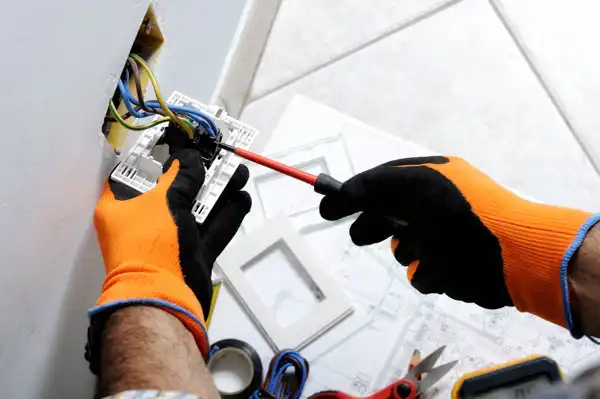
Plumbing leak repair for toilets, faucets, and water lines is part detective work, part craftsmanship, and part knowing when old parts are lying to your face. The best repairs start with an accurate diagnosis and end with testing, cleanup, and practical advice about what to watch next.
Leaks rarely improve with neglect. They do not get tired, reconsider, and seal themselves out of respect for your weekend plans. If something drips, hisses, stains, sweats suspiciously, or makes the water bill look like a ransom note, pay attention. A little curiosity now can prevent a large invoice later, and that is about as close as plumbing gets to poetry.
Name: Service Lion Plumbing Heating Air Electric
Address: 521 W Briardale Ave, Orange, CA 92865, United States
Phone: (657) 567-7305
Website: https://callservicelion.com/
Email: [email protected]
Hours:
Monday: Open 24 hours
Tuesday: Open 24 hours
Wednesday: Open 24 hours
Thursday: Open 24 hours
Friday: Open 24 hours
Saturday: Open 24 hours
Sunday: Open 24 hours
Open-location code: R48R+WV Orange, California, USA
Map/listing URL:
https://www.google.com/maps/search/?api=1&query=Google&query_place_id=ChIJQU4LBWHV3IARtnABtyykSA4
Google Map:
Socials:
https://www.facebook.com/ServiceLionCA/
https://www.youtube.com/channel/UCR_L35QzsRTxYZtX8PxJvPw
Local Service Information
Service Lion Plumbing Heating Air Electric provides plumbing, drain, heating, air conditioning, and electrical services from its Orange, California location.The company serves homeowners and properties throughout Orange and communities across Orange County and surrounding areas.
Available services include plumbing repairs, water heater work, drain and sewer services, heating and cooling service, electrical repairs, panels, lighting, outlets, and related home-system work.
Service is available for residential properties as well as light commercial needs described within the company's local service-area information.
The company's website emphasizes locally operated service, coordinated home-system support, and practical scheduling for plumbing, HVAC, and electrical needs.
The matching public business listing shows the Orange location as open 24 hours a day, seven days a week.
For service information or scheduling, call (657) 567-7305 or visit https://callservicelion.com/.
The public map listing identifies the business at 521 W Briardale Ave, Orange, CA 92865 and can be used for location and direction information.
Popular Questions About Service Lion Plumbing Heating Air Electric
What services does Service Lion Plumbing Heating Air Electric provide?
The company provides plumbing, drain and sewer, heating, air conditioning, and electrical services. Its published services include plumbing repair, water heaters, drain clearing, sewer work, HVAC repair and installation, electrical repairs, panels, circuit breakers, lighting, outlets, and related services.
Where is Service Lion Plumbing Heating Air Electric located?
The matching business location is 521 W Briardale Ave, Orange, CA 92865, United States.
What areas does Service Lion Plumbing Heating Air Electric serve?
The company serves Orange County and surrounding communities. Its published service-area information includes Orange, Anaheim, Brea, Yorba Linda, Fullerton, Huntington Beach, Newport Beach, Costa Mesa, Irvine, Lake Forest, and additional nearby cities.
Is Service Lion Plumbing Heating Air Electric open 24 hours?
The matching public business listing shows the location as open 24 hours on Monday through Sunday.
Does Service Lion Plumbing Heating Air Electric work on drains and sewer lines?
Yes. Published services include drain clearing, rooter service, camera inspection, hydro jetting, sewer line repair and installation, water line work, slab leak detection, and trenchless sewer line repair.
Does Service Lion Plumbing Heating Air Electric provide heating and air conditioning service?
Yes. Its published HVAC services include air conditioning repair and installation, heating service, furnace work, heat pumps, air ducts, indoor air quality assessments, and thermostat installation.
Does Service Lion Plumbing Heating Air Electric provide electrical service?
Yes. Published electrical services include repairs and installations, electrical panels, circuit breakers, safety inspections, lighting, outlets and switches, surge protection, generators, and EV charging equipment installation.
How can I contact Service Lion Plumbing Heating Air Electric?
Call (657) 567-7305.
Email: [email protected]
Website: https://callservicelion.com/
Facebook: https://www.facebook.com/ServiceLionCA/
Landmarks Near Orange, California
Old Towne Orange Historic District
A central historic district and useful geographic reference point for the Orange community.
Plaza Park
A well-known public gathering point in the center of Old Towne Orange.
Orange Public Library & History Center
A civic landmark serving residents near central Orange.
Hart Park
A major public park and recreation area south of central Orange.
Eisenhower Park
A public park serving neighborhoods in northern Orange.
Santiago Oaks Regional Park
A regional recreation and open-space landmark on the eastern side of Orange.
Irvine Regional Park
A large regional park and recognizable reference point east of the city.
Orange Park Acres
A distinctive residential community and service-area reference point in eastern Orange.
El Modena
An established Orange neighborhood that provides a practical local coverage reference.
Glassell Street
One of the city's principal north-south streets and a useful route through central Orange.
Lincoln Avenue
A major east-west roadway serving northern Orange and nearby communities.
State Route 55
A primary regional freeway connecting Orange with other parts of Orange County.