Rooter Service and Drain Cleaning for Blockages
A blocked drain has a gift for timing. It never waits for a quiet Tuesday morning when everyone is calm, caffeinated, and wearing shoes. It announces itself during dinner, while guests are over, or five minutes after someone says, “The sink has been draining a little slow, but it’s probably fine.” Plumbing has a wicked sense of humor.
Rooter service and drain cleaning sit in that practical corner of home and building maintenance where patience runs out quickly. A slow drain is annoying. A fully blocked line is a household mutiny. Once water stops going where it should, every room connected to that pipe becomes part of the story.
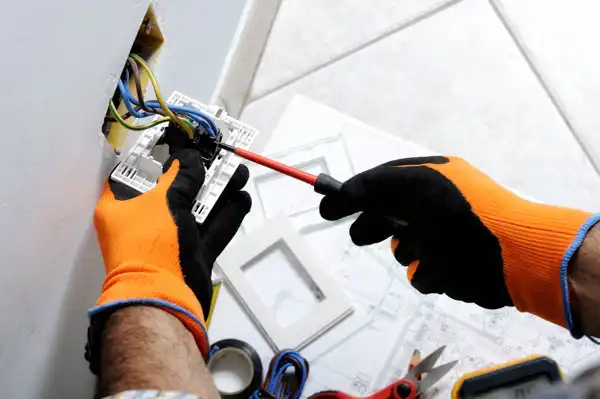
The work sounds simple from the outside: clear the blockage, restore the flow, mop up the drama. In practice, good drain cleaning is equal parts mechanical skill, judgment, and knowing when not to make a bad situation worse. A qualified Plumber does more than poke at a pipe and hope for applause. The real job is to understand what is blocked, where it is blocked, why it blocked, and whether the fix should be a quick clearing, a deeper Rooter service, Hydrojetting, Plumbing leak repair, or something more involved.
The humble drain, quietly running the household
Drainage is one of those systems people ignore until it develops a personality. Supply plumbing gets attention because faucets, showers, and water heaters are visible. Drains work in the background, carrying used water away from sinks, tubs, showers, laundry areas, kitchens, and other fixtures. When they work properly, nobody sends a thank-you note. When they stop, suddenly everyone becomes a plumbing analyst.
The key thing to remember is that drains are connected systems, not isolated little tunnels. A bathroom sink may have its own trap and branch line, but it eventually connects to larger piping. Kitchen drains, laundry drains, floor drains, and main lines all have their own behavior. A small blockage near a fixture can look harmless. A larger blockage downstream can cause multiple fixtures to misbehave at once, which is the plumbing equivalent of several people pointing at the same suspect.
This is where experience matters. A slow bathroom sink may call for a simple clearing. A floor drain backing up while the washing machine discharges is a different conversation. A building with recurring drain trouble may need more than a one-time pass with equipment. The right service depends on the pattern.
The term “rooter” is often used broadly, and customers sometimes use it to mean any drain cleaning. In trade language, Rooter service usually points to mechanical clearing of drain and sewer blockages. Drain cleaning is the wider umbrella. Hydrojetting is another tool in the kit, using high-pressure water to scour a line rather than simply opening a path through the obstruction. These services overlap, but they are not identical. That distinction matters because using the wrong method is like bringing a soup spoon to a fencing match. Technically, you are holding a tool. No, it is not the right one.
What a blockage is really telling you
A blockage is not just an event. It is evidence. It says something about the pipe, the fixture, the usage, the age of the system, the condition of the line, or sometimes all of the above. The same symptom can come from different causes, and that is why guessing gets expensive.
Kitchen drains, for example, tend to collect the consequences of cooking habits. Bathroom drains often deal with soap residue, hair, and personal care products. Laundry lines see lint and discharge patterns. Larger drain lines may be affected by buildup, pipe condition, improper slope, or outside factors connected to the sewer or septic path. If a Septic system service is part of the property’s larger wastewater setup, drain symptoms can also point toward issues beyond the pipe under the sink.
A good technician does not treat every clog as if it were the same clog wearing a different hat. The work starts with listening. Which fixtures are affected? How long has it been happening? Did anything change recently? Is the trouble constant, intermittent, or tied to one appliance or fixture? Has the line been cleared before? If so, how often? The answers shape the next move.
There is a big difference between a drain that slowed over several months and one that stopped suddenly after a remodel, appliance change, or heavy use. There is also a difference between clearing a blockage and solving a recurring one. Opening a line may restore function today. Finding the reason it keeps closing down is what keeps you from starring in the same soggy episode next month.
The signs that deserve attention before the floor gets involved
Some drain problems arrive with a dramatic splash. Most send little warnings first. The trouble is that people are excellent at negotiating with plumbing. “It still drains eventually” is a phrase that has launched many emergency calls.
Here are common signs that a drain blockage is moving from minor nuisance to actual service call material:
- Water drains slowly from one fixture even after basic cleaning around the stopper or strainer.
- Multiple fixtures gurgle, bubble, or drain poorly at the same time.
- Water backs up into a tub, shower, floor drain, or lower fixture when another fixture is used.
- Odors appear near drains and return after normal cleaning.
- The same drain needs repeated clearing within a short period.
That list is not meant to create panic. Plumbing panic is rarely useful, though it does provide excellent cardio. The point is pattern recognition. One slow sink may be local. Several drains acting up together often suggest the blockage is farther along in the system. Recurring symptoms suggest the line may need a more thorough cleaning or a closer look.
Rooter service: what it does well
Rooter service is commonly used to mechanically clear blockages in drains and sewer lines. The equipment is designed to reach into the pipe and break through, retrieve, or cut away obstruction material depending on the tool and situation. In skilled hands, it can restore flow efficiently and without unnecessary disruption.
The value of rooter work is not only the machine. Anyone can be impressed by a spinning cable. The judgment comes from choosing the proper access point, matching the equipment to the line, understanding when resistance is normal and when it is warning you to stop, and knowing how to verify that the line is actually flowing after the blockage is opened.
That last part matters. A line can appear “fixed” because water starts moving again, while residue remains along the pipe wall. In some cases, that is acceptable for the moment. In others, especially recurring blockages, it is only a temporary reprieve. Think of it like clearing one lane of traffic after a parade of bad decisions. Cars can move, but the street is not exactly clean.
Rooter service is often the right first move for a tough blockage. It is practical, direct, and familiar to seasoned plumbing crews. But it is not magic. If the underlying issue is damaged piping, improper installation, or another condition that keeps inviting clogs back, mechanical clearing alone may not end the story.
Drain cleaning is not just “make hole, water go”
Drain cleaning sounds like the simplest phrase in the trades, but the better version of it involves diagnosis. A technician has to decide whether the job is local, branch-line, main-line, or related to a larger system. That affects access, tools, expectations, and aftercare.
For a local fixture blockage, service may focus on the trap, fixture drain, or nearby branch. For a deeper blockage, the technician may need to work through a cleanout or another appropriate access point. If the property connects to a septic system, the larger wastewater arrangement may need to be considered. If the problem involves a sump area, sewer hookup, or water pump related component, the service may cross into related plumbing categories recognized within the broader plumbing, heating, and air-conditioning trade.
commercial septic system serviceThe plumbing trade often overlaps with other building systems more than customers expect. The same contractor business may handle plumbing repair, heating equipment installation, air-conditioning work, furnace repair, water pump service, and other mechanical work. That does not mean every person on every truck does every task. It means the systems in a building talk to each other, sometimes politely, sometimes like relatives at a holiday meal.
A drain issue near HVAC equipment, for instance, may involve condensate drainage rather than a kitchen or bath line. An Air conditioning contractor or Air conditioning repair service may deal with condensate drain concerns as part of Air conditioning maintenance or an Air conditioning tune-up. A Heat pump installation also includes proper handling of heating and cooling equipment, and some associated plumbing or electrical work may be part of the broader service scope depending on the system. HVAC contractors specialize in installing and maintaining heating, ventilation, and air-conditioning equipment, and those services can include installation, maintenance, repairs, duct cleaning, and plumbing or electrical work associated with heating and cooling equipment. That is why one phone call sometimes leads to a Plumber, a Heating contractor, an Electrician, or a technician with cross-disciplinary experience.
Hydrojetting: the pressure washer’s more serious cousin
Hydrojetting is often discussed like it is the superhero of drain cleaning. It can be impressive, yes. It can also be overused in sales pitches by people who talk about pipes as if they personally trained them for battle.
In plain terms, Hydrojetting uses high-pressure water to clean the inside of a drain or sewer line. Where mechanical rooter work may open or cut through a blockage, jetting can help scour buildup from the pipe walls. That makes it useful in some recurring blockage situations and in lines where residue keeps narrowing the passage.
The trade-off is that Hydrojetting should be used with judgment. Pressure is powerful. Pipe condition matters. Access matters. The type of blockage matters. The technician has to decide whether jetting is appropriate and whether the piping can handle the method. Good service is not measured by how dramatic the equipment sounds in the driveway. It is measured by whether the method suits the system.
For some blockages, a rooter approach may be faster and more appropriate. For some recurring or heavily fouled lines, Hydrojetting may do a better job. For some damaged or compromised piping, neither should be treated casually. That is where professional assessment earns its keep.
The difference between a one-time clog and a repeat offender
Every plumber knows the repeat offender drain. It behaves for a while after service, then starts the same routine again. Slow drain. Gurgle. Backup. Household debate. Someone buys a product at the store. The drain laughs quietly. Then the service call happens.
Recurring blockages deserve a different mindset. The first service call may reasonably focus on restoring function. After that, the question changes from “Can we clear it?” to “Why does it keep blocking?” A technician may consider usage patterns, line configuration, pipe condition, venting symptoms, or whether another system is contributing to the problem. Sometimes the issue is simple. Sometimes it points to work beyond cleaning, such as Plumbing leak repair, Plumbing repiping, or a fixture or appliance-related issue.
Repiping is not a casual recommendation. It belongs in the conversation when pipe condition or layout makes ongoing repair impractical or unreliable. A responsible contractor should not jump from “your drain is slow” to “let us replace half the building” with the confidence of a game show host. But there are cases where repeated drain problems reveal larger plumbing concerns. Ignoring that possibility can turn maintenance into a subscription plan nobody wanted.
Where water heaters, softeners, and other systems enter the chat
Drain cleaning often uncovers the broader truth of mechanical service: water systems do not live in neat little boxes. Water heater repair, Water heater installation, Water softener installation, and drain service all belong to the larger plumbing conversation, even when the immediate symptom is a blocked line.
A water heater has supply and discharge considerations. A water softener changes how water interacts with fixtures and plumbing over time. A repair near a utility area may require attention to drain paths, floor drains, or nearby piping. The point is not that every blocked drain involves a water heater or softener. Most do not. The point is that a Plumber looking at a real building must understand how components share space and consequences.
The same idea applies to heating and cooling equipment. HVAC contractors install and maintain heating, ventilation, and air-conditioning equipment. Air conditioners and heat pumps are appliances under federal refrigerant-related definitions, and technicians involved in maintenance, service, repair, or installation may include contractor employees and installers. Proper HVAC installation involves correct equipment sizing and refrigerant charging, and correct charging can reduce energy use and lower failure risk. That may sound far away from Drain cleaning, but in a mechanical room, attic, basement, or utility closet, the systems can be neighbors. Neighbors share fences. Sometimes they also share problems.
A Furnace repair service, Gas installation service, Heating contractor, Lighting contractor, Electrician, and plumbing crew may all work in the same property over time. The best contractors respect where one trade ends and another begins. Electrical work, for example, is separately classified from plumbing, heating, and air-conditioning work. That separation matters because safety and licensing are not decorative paperwork. They exist because buildings are wonderfully useful and occasionally unforgiving.
Why the cheapest drain cleaning can become expensive theater
There is a certain type of service call that begins with, “I just need someone to snake it real quick.” Sometimes that is true. Sometimes it is the opening line of a much longer play.
Cheap drain clearing can be tempting because the problem feels urgent and unpleasant. Nobody wants to comparison-shop while a tub is impersonating a pond. But the lowest price can leave out diagnosis, proper equipment, verification, cleanup standards, or honest advice about recurrence. A drain that is barely opened may work for a few days, then fail again at the least poetic moment.
That does not mean expensive service is automatically better. A high invoice with vague explanations is not craftsmanship. Good value sits in the middle: clear communication, appropriate tools, competent work, and advice that matches the actual condition. A professional should be able to explain what was done in ordinary language. If the explanation sounds like a haunted appliance manual, ask again.
A useful service visit usually answers these questions:
- Which drain or line was affected?
- Where was the blockage likely located?
- What method was used to clear or clean it?
- Did the line drain properly after service?
- Is the problem likely to return, and what would be the next step if it does?
Those five answers do not require a lecture. They require clarity. A customer should not have to decode trade slang to understand whether the kitchen sink is safe to use.
The homeowner’s role, minus the heroics
There are sensible things property owners can do before calling for Drain cleaning, and there are things best left alone. Clearing visible debris from a stopper or strainer is reasonable. Noting which fixtures are affected is useful. Avoiding further water use when a backup is active can prevent a larger mess.
The heroics begin when someone decides the answer must be chemical, improvised, or forceful. A plunger used properly on a simple fixture blockage can help. A mystery chemical poured into a standing drain, followed by another product because the first one “looked lonely,” can create hazards for whoever has to work on the line next. Dismantling pipes without knowing what is upstream, downstream, or under pressure can turn a clog into a cabinet flood.
The best customer assistance is observation. Tell the technician what happened, when it started, what fixtures are affected, whether anything was tried, and whether the problem has occurred before. That information can save time and reduce guesswork. Plumbers like useful clues. They are less fond of surprises that smell like a science project.
Commercial and residential blockages are cousins, not twins
Residential drain problems usually revolve around household routines. Commercial properties can add volume, fixture count, public use, maintenance schedules, and stricter downtime concerns. The principles overlap, but the stakes differ. A blocked restroom group in a business is not merely inconvenient. It can disrupt operations and customer access. A blocked drain in a mechanical space may interfere with equipment areas. A plumbing issue in a building with heating, cooling, gas, electrical, and wastewater systems may require careful coordination between trades.
This is one reason established mechanical contractors often organize around multiple specialties. Plumbing, heating, and air-conditioning work is recognized as a special trade category that includes plumbing repair, air-conditioning work, furnace repair, heating equipment installation, sewer hookups, sump pump service, and water pump installation. Air-conditioning service and repair is also recognized as its own service category. Electrical work is separate. In real buildings, though, these categories often meet at walls, floors, panels, drains, pumps, appliances, and equipment rooms.
A drain blockage may be only a plumbing job. It may also affect an area where an Electrician, Air conditioning contractor, or Heating contractor has equipment nearby. Respecting those boundaries keeps the work safe and orderly. Nobody wins when a drain repair accidentally becomes an electrical incident or an HVAC nuisance.
When a blocked drain points toward septic service
Not every property connects to the same wastewater arrangement. Where a septic system is involved, repeated backups or slow drains may call for awareness of the septic side, not just the interior piping. Septic system service is its own area of work, and drain symptoms can overlap with larger wastewater concerns.
The tricky part is that customers often see only the symptom inside the building. Water backs up, drains slow, odors appear, fixtures misbehave. The cause may be in a local drain, a building line, a sewer connection, or the septic system. A plumber does not need to dramatize that uncertainty, but should respect it. Good troubleshooting avoids assuming the blockage is in the most convenient location.
If several fixtures are affected, if lower drains show backup, or if the problem returns soon after clearing, it is reasonable to consider whether the issue extends beyond a single fixture. That does not prove a septic problem. It simply keeps the diagnosis honest.
The awkward truth about maintenance
Drain maintenance is not glamorous. It does not photograph well. Nobody brags at dinner about responsible drain habits unless the dinner party has taken a strange turn. Still, maintenance makes a difference.
Air conditioning maintenance and an Air conditioning tune-up are widely accepted because people understand that cooling equipment needs periodic attention. Heating equipment gets similar respect, especially when a Furnace repair service has already taught someone the price of neglect. Drains often receive less courtesy because they have no thermostat and make no polite humming sound. They simply work until they refuse.
The maintenance mindset for drains is mostly about watching patterns and addressing small issues before they become backups. Slow drains should not be ignored for months. Recurring clogs should not be treated as normal personality traits. Utility areas, floor drains, and condensate drain paths near HVAC equipment should not be forgotten just because they are not in the prettiest part of the building.
A professional Plumbing leak repair or drain service visit can also reveal related concerns. Moisture near piping, staining, recurring odors, or repeated drain clearing may point toward a repair need. Not every observation is a crisis. Some are just the building asking for attention before it starts shouting.
Choosing the right contractor without needing a detective hat
A good contractor does not have to be flashy. In fact, too much flash in the drain cleaning world can be suspicious. Pipes do not care about slogans. They care about competence.
For Rooter service and Drain cleaning, look for a contractor who communicates clearly, understands plumbing systems, uses appropriate tools, and knows when a job crosses into another specialty. If the same company also provides HVAC, heating, air conditioning repair, water heater work, gas installation, or electrical coordination, the important question is not whether the service menu is long. The important question is whether qualified people perform the right work within the right trade.
That matters with everything from Water heater installation to Heat pump installation. Proper installation and service require correct methods, appropriate sizing where relevant, and qualified technicians. In air conditioning and heat pump work, refrigerant charging and equipment sizing are important to energy use and failure risk. In plumbing, correct repair and cleaning methods matter for reliability and preventing unnecessary damage. Different systems, same principle: sloppy work is expensive in installments.
A contractor who admits limits is often more trustworthy than one who claims to do everything with equal brilliance. The honest answer, “That needs an electrician,” or “This looks like a septic service issue,” or “We should inspect further before recommending replacement,” is not weakness. It is professionalism wearing work boots.
What a well-handled drain service call feels like
The best drain cleaning calls have a certain rhythm. The technician asks direct questions, checks the affected fixtures, chooses an access point, explains the likely approach, and gets to work without turning the home into a theatrical set. There may be noise. There may be equipment. There may be one of those moments where everyone silently hopes the line clears soon. Plumbing is not always elegant.
After the line opens, the technician should verify drainage to the extent appropriate for the job. That may involve running water, checking affected fixtures, observing flow, and discussing whether the result looks like a one-time blockage or a recurring concern. If Hydrojetting is recommended, the reason should be clear. If additional repair is suggested, it should connect to observed conditions, not sales fog.
Customers appreciate plain language. “We cleared the blockage from this access point, the line is draining now, but because this has happened three times in six months, a more thorough cleaning or further evaluation would make sense,” is useful. “Your system has experienced comprehensive flow restriction requiring advanced remediation” sounds like the drain hired a lawyer.
The blockage is gone, but the lesson should stay
A cleared drain brings immediate relief. The sink empties, the shower stops pooling, the floor drain behaves, and the household returns to normal with the speed of people who would like to forget the whole thing. Fair enough. Nobody needs to frame the invoice.
Still, a blockage is worth learning from. If it was a one-time local clog, use the fixtures thoughtfully and move on. If it involved multiple drains, came back repeatedly, or required more serious Rooter service, keep an eye on the pattern. If Hydrojetting was recommended, ask why. If Plumbing repiping or repair entered the discussion, ask what evidence supports it. If septic, HVAC, water heater, gas, or electrical components are nearby, make sure the right trade handles the right part of the job.
Rooter service and Drain cleaning are not glamorous, but they protect the routines people care about most. Showers. Laundry. Cooking. Cleaning. Business operations. Mechanical rooms that stay dry. Floors that remain floors instead of surprise wetlands.
A blocked drain may begin as a nuisance, but the fix should be professional, practical, and proportionate. Good plumbing service restores flow without drama, explains the situation without fog, and leaves the customer with fewer mysteries than they had at the start. That is a tidy ending for an untidy problem, and in the drain business, tidy is a perfectly noble ambition.
Name: Service Lion Plumbing Heating Air Electric
Address: 521 W Briardale Ave, Orange, CA 92865, United States
Phone: (657) 567-7305
Website: https://callservicelion.com/
Email: [email protected]
Hours:
Monday: Open 24 hours
Tuesday: Open 24 hours
Wednesday: Open 24 hours
Thursday: Open 24 hours
Friday: Open 24 hours
Saturday: Open 24 hours
Sunday: Open 24 hours
Open-location code: R48R+WV Orange, California, USA
Map/listing URL:
https://www.google.com/maps/search/?api=1&query=Google&query_place_id=ChIJQU4LBWHV3IARtnABtyykSA4
Google Map:
Socials:
https://www.facebook.com/ServiceLionCA/
https://www.youtube.com/channel/UCR_L35QzsRTxYZtX8PxJvPw
Local Service Information
Service Lion Plumbing Heating Air Electric provides plumbing, drain, heating, air conditioning, and electrical services from its Orange, California location.The company serves homeowners and properties throughout Orange and communities across Orange County and surrounding areas.
Available services include plumbing repairs, water heater work, drain and sewer services, heating and cooling service, electrical repairs, panels, lighting, outlets, and related home-system work.
Service is available for residential properties as well as light commercial needs described within the company's local service-area information.
The company's website emphasizes locally operated service, coordinated home-system support, and practical scheduling for plumbing, HVAC, and electrical needs.
The matching public business listing shows the Orange location as open 24 hours a day, seven days a week.
For service information or scheduling, call (657) 567-7305 or visit https://callservicelion.com/.
The public map listing identifies the business at 521 W Briardale Ave, Orange, CA 92865 and can be used for location and direction information.
Popular Questions About Service Lion Plumbing Heating Air Electric
What services does Service Lion Plumbing Heating Air Electric provide?
The company provides plumbing, drain and sewer, heating, air conditioning, and electrical services. Its published services include plumbing repair, water heaters, drain clearing, sewer work, HVAC repair and installation, electrical repairs, panels, circuit breakers, lighting, outlets, and related services.
Where is Service Lion Plumbing Heating Air Electric located?
The matching business location is 521 W Briardale Ave, Orange, CA 92865, United States.
What areas does Service Lion Plumbing Heating Air Electric serve?
The company serves Orange County and surrounding communities. Its published service-area information includes Orange, Anaheim, Brea, Yorba Linda, Fullerton, Huntington Beach, Newport Beach, Costa Mesa, Irvine, Lake Forest, and additional nearby cities.
Is Service Lion Plumbing Heating Air Electric open 24 hours?
The matching public business listing shows the location as open 24 hours on Monday through Sunday.
Does Service Lion Plumbing Heating Air Electric work on drains and sewer lines?
Yes. Published services include drain clearing, rooter service, camera inspection, hydro jetting, sewer line repair and installation, water line work, slab leak detection, and trenchless sewer line repair.
Does Service Lion Plumbing Heating Air Electric provide heating and air conditioning service?
Yes. Its published HVAC services include air conditioning repair and installation, heating service, furnace work, heat pumps, air ducts, indoor air quality assessments, and thermostat installation.
Does Service Lion Plumbing Heating Air Electric provide electrical service?
Yes. Published electrical services include repairs and installations, electrical panels, circuit breakers, safety inspections, lighting, outlets and switches, surge protection, generators, and EV charging equipment installation.
How can I contact Service Lion Plumbing Heating Air Electric?
Call (657) 567-7305.
Email: [email protected]
Website: https://callservicelion.com/
Facebook: https://www.facebook.com/ServiceLionCA/
Landmarks Near Orange, California
Old Towne Orange Historic District
A central historic district and useful geographic reference point for the Orange community.
Plaza Park
A well-known public gathering point in the center of Old Towne Orange.
Orange Public Library & History Center
A civic landmark serving residents near central Orange.
Hart Park
A major public park and recreation area south of central Orange.
Eisenhower Park
A public park serving neighborhoods in northern Orange.
Santiago Oaks Regional Park
A regional recreation and open-space landmark on the eastern side of Orange.
Irvine Regional Park
A large regional park and recognizable reference point east of the city.
Orange Park Acres
A distinctive residential community and service-area reference point in eastern Orange.
El Modena
An established Orange neighborhood that provides a practical local coverage reference.
Glassell Street
One of the city's principal north-south streets and a useful route through central Orange.
Lincoln Avenue
A major east-west roadway serving northern Orange and nearby communities.
State Route 55
A primary regional freeway connecting Orange with other parts of Orange County.