Rooter Service Benefits for Older Sewer and Drain Lines
Old sewer lines have personalities. Some are quiet and dignified, some are fussy before coffee, and some like to announce every family gathering by sending bathtub water up through the basement floor drain. If you own an older home, or manage an older building, you may already know the particular suspense of flushing a toilet and pausing to see whether the house approves.
That is where rooter service earns its keep.
A good rooter service is not just “running a machine down the pipe.” Done properly, it is a practical, diagnostic, and often money-saving approach to keeping older drain and sewer lines working while you decide what the long-term plan should be. It can clear roots, cut through sludge, restore flow, reveal pipe defects, and buy time before bigger repairs become unavoidable. For many older properties, it is the difference between routine maintenance and a Saturday night sewage opera.
Why older drain lines behave differently
New drain lines usually fail for predictable reasons: construction debris, bad slope, poor installation, or something impressive and regrettable sent down a toilet. Older lines have a richer backstory.
Many homes built decades ago used cast iron, clay tile, Orangeburg pipe, galvanized drain lines, or early plastic materials. Each has its quirks. Cast iron can scale and corrode internally until the opening narrows like an artery in a cheeseburger documentary. Clay tile is sturdy in sections but has joints that tree roots adore. Orangeburg, a bituminous fiber pipe used in many mid-century homes, can deform, blister, or collapse over time. Galvanized waste lines can build up heavy interior rust and debris.
Add decades of grease, soap residue, soil movement, seasonal root growth, and the occasional toy dinosaur, and an old sewer line becomes less of a pipe and more of an archaeological site.
This is why older lines often do not clog all at once. They slow down in stages. First the tub gurgles. Then the laundry standpipe bubbles. Then the downstairs toilet flushes with the enthusiasm of a tired uncle. Eventually, multiple fixtures back up at the same time, which usually points to the main line rather than one isolated drain.
A skilled Plumber looks at those symptoms as clues, not random annoyances. Rooter service is often the first practical move because it clears the line while also telling us what kind of problem we are dealing with.
What rooter service actually does
Rooter service uses a powered cable machine with cutting heads or auger attachments to break through obstructions inside sewer and drain lines. The name comes from the job it was originally famous for: cutting tree roots out of sewer pipes. The machine feeds a rotating cable into the drain, and the head works through commercial plumbing leak repair roots, sludge, paper buildup, small blockages, and other materials that restrict flow.
For a kitchen line, the blockage may be grease packed into the pipe like cold butter. For a bathroom group, it may be hair, soap, and scale. For a main sewer, roots are common, but so are settled solids, broken pipe fragments, mud infiltration, and heavy paper buildup.
Rooter work can be done from several access points. A cleanout in the yard is ideal. A basement cleanout can work nicely. In older homes, we sometimes have to pull a toilet to access the line, which is not glamorous but does keep the job moving. If there is no usable cleanout, installing one may be recommended, especially for homes with recurring main sewer issues. Future-you will appreciate that decision. Future-you may even send present-you a muffin basket.
Rooter service is mechanical cleaning. It physically opens the line. That matters because chemical drain cleaners rarely solve older sewer line problems and can make things worse. They may sit in a blocked pipe, create hazards for anyone working on the drain, damage certain materials, and give homeowners false hope while the real problem keeps brewing below ground.
The biggest benefit: restoring flow without tearing up the yard
The first and most obvious benefit of rooter service is that it gets water moving again. When a sewer line backs up, life shrinks quickly. You cannot wash clothes, shower, flush normally, or run the dishwasher without wondering where the water will reappear. Nobody wants to negotiate with a floor drain at 11 p.m.
Rooter service can often restore service the same day without excavation. For older lines, that is a big deal. Digging up a sewer line can be necessary, but it is not where anyone wants to start unless the pipe is collapsed or severely damaged. Excavation can involve landscaping, driveways, sidewalks, permits, inspections, and costs that climb fast depending on depth, access, soil conditions, and local requirements.
A rooter job may not be the final answer, but it often turns an emergency into a manageable repair plan. Once the line is open, a camera inspection can show whether the pipe needs spot repair, lining, replacement, Hydrojetting, or routine maintenance. That sequence is important. It is hard to inspect a pipe accurately when it is full of sewage, roots, and mystery paste.
Roots: charming above ground, rude below it
Tree roots are persistent, opportunistic, and apparently offended by the idea of staying outdoors. They seek moisture and nutrients, and older sewer lines provide both. Clay tile joints are especially vulnerable because the line is made of separate sections. Even tiny openings at joints can attract roots. Once inside, roots thicken, catch paper, slow flow, and create a clog that grows like it has a gym membership.
Rooter service cuts those roots back and reopens the pipe. It does not magically seal the joint or make the tree apologize, but it can restore function and help assess severity. Some lines go a year or more between cleanings. Others clog every few months. Frequency tells us something. If roots return quickly, the opening may be large, the pipe may be offset, or the root mass may be entering through multiple joints.
This is where experience matters. A technician who has cleared hundreds of older lines can often feel the difference between a soft sludge clog, a root mass, a broken fitting, and a collapsed section. The cable may jump, bind, drop, or come back with mud. Those clues shape the next recommendation.
Rooter service is not a cure for root intrusion. It is control. Sometimes control is enough for a while. Sometimes it is a warning flare.
The sneaky benefit: rooter service can prevent bigger messes
Older drain lines rarely schedule their failures politely. They clog during holidays, storms, houseguests, or just after someone has declared, “Everything seems fine now.” Regular Drain cleaning or preventive rooter service can reduce the odds of surprise backups, especially in homes with known root issues.
For example, if a main sewer line has a history of backing up every 18 months, waiting until month 19 is not a strategy. It is a dare. Scheduling service at 12 or 14 months can keep the line open and allow you to plan the expense instead of paying emergency rates while standing in wet socks.
Preventive service also protects finished basements. Sewage backup into an unfinished utility room is bad enough. Sewage into carpet, drywall, stored holiday decorations, and the box labeled “important documents” is a personal attack. Restoration costs can dwarf the price of maintenance.
There are limits, of course. If a camera shows a crushed pipe or severe belly holding water and solids, rooter service alone will not prevent the next backup forever. But for many older lines with moderate roots or buildup, scheduled cleaning is a practical maintenance tool.
When rooter service beats hydrojetting, and when it does not
Hydrojetting uses high-pressure water to scour the inside of drain and sewer lines. It can be excellent for grease, sludge, sand, and heavy buildup. In the right pipe, it cleans more thoroughly than a cable because it washes the pipe walls rather than just opening a path through the blockage.
But older lines require judgment. Hydrojetting is powerful, and power is not always kindness. A fragile pipe, severely deteriorated cast iron, Orangeburg pipe, or a line with major breaks may not be a good candidate. In those cases, rooter service may be safer as an initial step, followed by camera inspection.
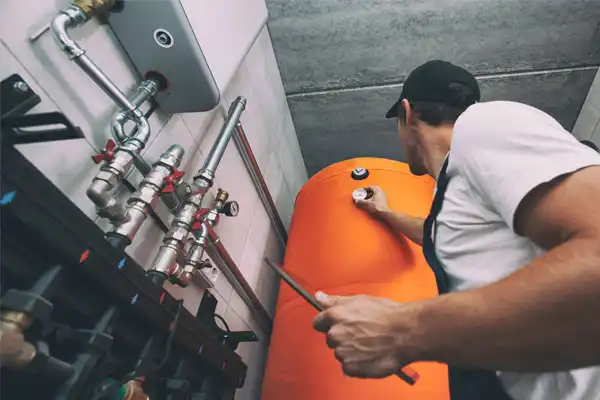
Rooter service also works well when roots need cutting. Hydrojetting can remove root fibers and flush debris, but heavy root masses often need mechanical cutting first. Many sewer jobs use both methods in sequence: rooter to open and cut, camera to inspect, Hydrojetting to clean if the pipe can handle it.
A responsible contractor does not sell hydrojetting like hot sauce, good on everything. The pipe material, age, condition, clog type, access, and history all matter. Older sewer lines deserve respect, not a pressure washer with a gym membership.
Signs your older line may need rooter service
You do not need to memorize plumbing theory to spot a main drain problem. The house usually speaks up. Sometimes it whispers with gurgles. Sometimes it shouts through the shower drain.
Here are the common signs worth taking seriously:
- Multiple fixtures drain slowly at the same time, especially on the lowest level.
- A toilet bubbles or gurgles when a tub, washer, or sink drains.
- Water backs up into a floor drain, shower, or tub after flushing or doing laundry.
- Sewer odor appears near drains, cleanouts, or the yard.
- The same drain or sewer line clogs repeatedly despite basic cleaning.
One slow bathroom sink may just need a trap cleaned. One slow kitchen sink may be grease in the branch line. But when several fixtures misbehave together, the main line moves to the top of the suspect list. It is plumbing detective work, except the clues are wetter.
Camera inspection turns guesswork into evidence
Rooter service clears the obstruction, but a sewer camera shows what is left behind. For older lines, that information is priceless. A camera inspection can reveal root intrusion, cracks, offsets, bellies, corrosion, separated joints, foreign objects, or collapsed sections. It can also show whether the cleaning actually restored the pipe opening or merely punched a small tunnel through debris.
Good camera work includes locating problem areas above ground. If a repair is needed, knowing the depth and location can prevent exploratory digging. Nobody wants to pay someone to excavate the wrong patch of lawn. That is how a sewer repair becomes a landscaping crime scene.
Camera inspections also help separate urgent problems from manageable ones. A small root entry at one clay joint may be monitored and cleaned periodically. A large offset with mud entering the line is more serious because soil infiltration can create voids around the pipe. A belly that holds standing water may keep collecting solids no matter how often the line is cleaned. A broken section under a driveway requires different planning than one under open yard.
The best results come after the line is cleared enough for the camera to travel. If the camera goes underwater immediately or disappears into sludge, the footage may not tell the whole story. That is another reason rooter service and inspection often work as partners.
Older cast iron: the pipe that rusts inward
Cast iron drain lines can last a long time, and plenty of old ones still work. But aging cast iron often corrodes from the inside. The pipe walls become rough. Scale builds up. Solids catch more easily. The bottom of horizontal runs can thin, crack, or channel. In some homes, the pipe looks fine from the outside while the inside resembles a cave wall.
Rooter service can open cast iron lines, but the cutting head and approach matter. Aggressive cutting in severely weakened pipe can cause trouble. The goal is to clear the line without turning a marginal pipe into a confetti cannon.
For cast iron kitchen and laundry lines, grease and lint combine with scale to create stubborn blockages. Hydrojetting may help if the pipe condition allows it, but sometimes replacement of a bad section is smarter. Plumbing repiping is not always a whole-house project. It may mean replacing a deteriorated horizontal drain run or updating an old branch line that clogs every few months.
A Plumber who understands older systems will talk through those options instead of pretending every clog has one heroic solution.
Clay tile, Orangeburg, and the art of not making things worse
Clay sewer lines are common in older neighborhoods. Their weak points are usually joints and offsets, not the clay itself. Rooter service can be very effective for cutting roots, but it may need to be repeated if roots keep entering. Camera inspection often shows whether the joints are merely leaky or badly separated.
Orangeburg pipe is trickier. It was made from layers of wood fiber and pitch, and while it served many properties for years, it can deform as it ages. It may ovalize, blister, or collapse. Running a rooter machine through Orangeburg requires caution. Sometimes the cable clears the blockage. Sometimes inspection shows the pipe is near the end of its useful life and replacement is the honest answer.
This is the uncomfortable truth with older sewer lines: cleaning can restore function, but cleaning cannot restore structure. If the pipe has lost shape, slope, or continuity, maintenance becomes a temporary truce.
The cost-benefit argument, minus the sales fog
Rooter service usually costs far less than excavation or sewer replacement, though pricing varies by region, access, severity, after-hours timing, and whether camera inspection is included. A simple branch Drain cleaning may be straightforward. A difficult main line with no cleanout, heavy roots, multiple passes, and toilet removal will cost more.
The value comes from speed, reduced disruption, and information. If rooter service restores normal use and shows the line is serviceable with maintenance, you have saved a major repair for now. If it reveals a serious defect, you have avoided guessing and can plan the right fix.
The wrong way to think about rooter service is as a permanent cure for every older drain. The right way is to think of it as a first-line tool that clears the emergency, reduces damage, and helps diagnose what the pipe needs next.
That next step might be no further action, a scheduled cleaning plan, Hydrojetting, a cleanout installation, spot repair, trenchless lining where appropriate, or full replacement. The pipe gets a vote.
What homeowners can do between service calls
Old sewer lines do not need pampering, but they do need reasonable behavior. They are not garbage disposals with plumbing attached. The main offenders are grease, wipes, hygiene products, heavy paper use, roots, and poor water flow.
A few habits make a real difference:
- Keep grease out of sinks, even if you chase it with hot water and optimism.
- Flush only toilet paper and human waste, not wipes labeled “flushable,” which is a bold marketing word and not a plumbing promise.
- Spread laundry loads out if the main line drains slowly or has a known belly.
- Pay attention to recurring gurgles, slow drains, or odors instead of waiting for a backup.
- Keep cleanout caps accessible and visible, not buried under mulch, patio furniture, or a ceramic frog army.
These are small things, but they reduce stress on old lines. If your sewer line has roots, good habits will not stop them, but they can keep the root mass from catching as much debris between cleanings.
Rooter service for rental properties and older commercial buildings
Landlords and property managers learn quickly that drain problems are never “just plumbing.” They are tenant calls, possible water damage, business interruption, and documentation headaches. Older multifamily buildings often have complex drain layouts, shared stacks, aging branch lines, and tenants with very different ideas about what belongs in a sink.
Rooter service helps keep these buildings operational, but the best results come from recordkeeping. Track which lines clog, when they clog, what was found, and how the line was accessed. If the same stack or main clogs repeatedly, camera inspection and a more permanent repair may be cheaper than constant emergency calls.
Small restaurants and older commercial kitchens have their own drain drama. Grease is the villain, even with good practices. Rooter service may open a clogged line, but grease control, trap maintenance, and sometimes Hydrojetting matter more over time. If a kitchen line is old cast iron with heavy scale, repeated snaking may only punch a temporary path. Cleaning method and pipe condition should be evaluated together.
Commercial work also overlaps with other building systems. A service company that understands Plumbing leak repair, Water heater repair, Water heater installation, Gas installation service, and even coordination with an Electrician or Heating contractor can save time when problems are tangled together. Older mechanical rooms are famous for this. One leaking drain line, one tired water heater, one suspicious electrical junction, and suddenly the room looks like it was assembled by a committee during a thunderstorm.
When drain trouble points to something beyond the sewer
Not every wet floor or sewer smell is a main line clog. Older buildings can hide several look-alike problems. A cracked trap, failed wax ring, leaking supply line, condensate drain backup, sump issue, or septic problem can mimic sewer trouble.
Homes on septic systems need special attention. A Septic system service provider may be needed if backups relate to a full tank, failed drain field, or septic line issue. Rooter service can clear the building sewer to the tank, but it cannot fix a saturated drain field or neglected tank. If the house uses septic and drains are backing up broadly, the tank and field deserve a look before anyone declares victory.
Air conditioning systems can also create water where homeowners do not expect it. A clogged condensate drain from an air handler may leak near a furnace or utility area, leading someone to suspect plumbing. An Air conditioning contractor or Air conditioning repair service may need to clear condensate issues, especially during cooling season. Regular Air conditioning maintenance and an Air conditioning tune-up often include checking condensate drainage, which is less glamorous than refrigerant readings but much friendlier to ceilings and floors.
The same goes for heating equipment. A high-efficiency furnace produces condensate, and a blocked condensate drain can cause water problems or shutdowns. A Furnace repair service or Heating contractor may need to address that side of the system. Heat pump installation, furnace upgrades, and air conditioning repair can all involve condensate routing, and poor routing can make a mechanical room look like the sewer is misbehaving when the real culprit is a small plastic drain line with big ambitions.
Good troubleshooting keeps trades in their lanes while recognizing that buildings do not care about our categories.
Cleanouts: the unsung heroes of older homes
A proper cleanout is one of the best upgrades for an older sewer line. It gives the technician direct access to the line, reduces labor, improves cleaning effectiveness, and can prevent the need to pull a toilet. Cleanouts also make camera inspection easier.
Some older homes have cleanouts hidden behind finished walls, under flooring, or outside under years of soil and landscaping. I have seen cleanouts buried under decks, sealed behind drywall, and once tucked behind a basement shelf holding approximately nine hundred jars of screws. Finding or adding access is not exciting in the way a new kitchen is exciting, but when the sewer backs up, access becomes the most beautiful word in the English language.
Exterior two-way cleanouts are especially useful because they allow cleaning toward the house and toward the street or septic tank. Installation depends on pipe material, depth, location, and local code. It is not always cheap, but for a line that needs periodic rooter service, it can pay for itself in reduced hassle and faster response.
How rooter service fits into whole-home maintenance
Plumbing rarely exists alone. Older homes tend to have clusters of aging systems. A sewer line with roots may share a basement with an old water heater, galvanized supply piping, dated electrical, and HVAC equipment that has achieved elder statesman status.
That does not mean everything needs replacing at once. It means maintenance should be prioritized with clear eyes. Sewer backups pose sanitation and property damage risks. Plumbing leak repair protects structure and finishes. Water heater repair may extend equipment life, while Water heater installation becomes sensible when age, leaks, or efficiency make repair a poor bet. Water softener installation may help in hard-water areas by reducing scale in fixtures and appliances, though it will not fix a rooted sewer line, no matter how nicely someone asks.
Electrical and mechanical work should be handled by the right licensed trades. An Electrician or Lighting contractor handles wiring, panels, fixtures, and safety issues. An Air conditioning contractor handles cooling equipment. A Heating contractor handles furnaces, boilers, heat pumps, and related systems. A Gas installation service should handle gas piping and appliance connections. The value of a good home service team is not that one person pretends to do everything. It is that each problem gets diagnosed correctly and handed to the right expert.
Rooter service belongs in that maintenance picture as the practical answer to aging drainage. It is not glamorous, but neither is indoor sewage. Glamour is overrated.
The judgment call: keep cleaning or repair the line?
There comes a point when repeated rooter service stops being maintenance and starts being denial. The hard part is knowing where that line sits. A once-a-year cleaning for minor roots may be perfectly reasonable. A main sewer that backs up every six weeks is telling you something, and it is not asking for another motivational poster.
Several factors influence the decision. Pipe condition matters most. If camera footage shows collapse, severe offset, major root invasion, or missing pipe bottom, repair or replacement deserves serious discussion. Backup severity matters too. A minor slow drain is different from sewage flooding a finished basement. Location matters because a defect under a flower bed is simpler than one under a city street. Budget matters, of course, but so does risk tolerance. Some homeowners prefer scheduled maintenance while saving for replacement. Others want the problem gone before it ruins flooring again.
A trustworthy Plumber explains the evidence. They show camera footage when possible, describe what the rooter machine encountered, and give options with trade-offs. Beware of anyone who jumps straight from one clog to “replace everything immediately” without inspection. Also beware of anyone who keeps cleaning a line forever while ignoring clear signs of structural failure. Both extremes can be expensive.
What a good service visit should feel like
A professional rooter visit should include questions before the machine comes off the truck. Which fixtures backed up? How long has it been happening? Any previous sewer work? City sewer or septic? Any known cleanouts? Does water back up during laundry, showers, or only toilet use? These details narrow the problem.
The technician should protect work areas, use the right access, choose appropriate cable and cutting heads, and test flow after clearing. For a main line, that may mean running several fixtures or flushing toilets multiple times. If roots, mud, heavy scale, or recurring blockage are present, camera inspection should be discussed.
The best technicians are part mechanic, part detective, and part therapist for people who have just seen things come out of a drain that no one should have to see before breakfast. They do not need to dramatize the problem. The smell has already done that.
The quiet comfort of a line that drains properly
A clear sewer line is not something people celebrate often enough. Water goes down, toilets flush, laundry runs, showers drain, and nobody in the house has to say, “Do you hear bubbling?” That ordinary comfort is exactly what rooter service helps preserve in older properties.
For aging sewer and drain lines, rooter service offers fast relief, practical diagnosis, and a way to manage root intrusion and buildup without immediately tearing into the yard. It pairs well with camera inspection, sometimes with Hydrojetting, and occasionally with targeted repair or Plumbing repiping when the pipe has reached its limit.
Older homes are allowed to have quirks. That creaky stair, the glass doorknobs, the oddly placed linen closet, all charming. Sewage backing up into the basement, less charming. Rooter service keeps one of the least romantic systems in the house doing its job, quietly, dependably, and with far fewer dramatic appearances from the floor drain.
Name: Service Lion Plumbing Heating Air Electric
Address: 521 W Briardale Ave, Orange, CA 92865, United States
Phone: (657) 567-7305
Website: https://callservicelion.com/
Email: [email protected]
Hours:
Monday: Open 24 hours
Tuesday: Open 24 hours
Wednesday: Open 24 hours
Thursday: Open 24 hours
Friday: Open 24 hours
Saturday: Open 24 hours
Sunday: Open 24 hours
Open-location code: R48R+WV Orange, California, USA
Map/listing URL:
https://www.google.com/maps/search/?api=1&query=Google&query_place_id=ChIJQU4LBWHV3IARtnABtyykSA4
Google Map:
Socials:
https://www.facebook.com/ServiceLionCA/
https://www.youtube.com/channel/UCR_L35QzsRTxYZtX8PxJvPw
Local Service Information
Service Lion Plumbing Heating Air Electric provides plumbing, drain, heating, air conditioning, and electrical services from its Orange, California location.The company serves homeowners and properties throughout Orange and communities across Orange County and surrounding areas.
Available services include plumbing repairs, water heater work, drain and sewer services, heating and cooling service, electrical repairs, panels, lighting, outlets, and related home-system work.
Service is available for residential properties as well as light commercial needs described within the company's local service-area information.
The company's website emphasizes locally operated service, coordinated home-system support, and practical scheduling for plumbing, HVAC, and electrical needs.
The matching public business listing shows the Orange location as open 24 hours a day, seven days a week.
For service information or scheduling, call (657) 567-7305 or visit https://callservicelion.com/.
The public map listing identifies the business at 521 W Briardale Ave, Orange, CA 92865 and can be used for location and direction information.
Popular Questions About Service Lion Plumbing Heating Air Electric
What services does Service Lion Plumbing Heating Air Electric provide?
The company provides plumbing, drain and sewer, heating, air conditioning, and electrical services. Its published services include plumbing repair, water heaters, drain clearing, sewer work, HVAC repair and installation, electrical repairs, panels, circuit breakers, lighting, outlets, and related services.
Where is Service Lion Plumbing Heating Air Electric located?
The matching business location is 521 W Briardale Ave, Orange, CA 92865, United States.
What areas does Service Lion Plumbing Heating Air Electric serve?
The company serves Orange County and surrounding communities. Its published service-area information includes Orange, Anaheim, Brea, Yorba Linda, Fullerton, Huntington Beach, Newport Beach, Costa Mesa, Irvine, Lake Forest, and additional nearby cities.
Is Service Lion Plumbing Heating Air Electric open 24 hours?
The matching public business listing shows the location as open 24 hours on Monday through Sunday.
Does Service Lion Plumbing Heating Air Electric work on drains and sewer lines?
Yes. Published services include drain clearing, rooter service, camera inspection, hydro jetting, sewer line repair and installation, water line work, slab leak detection, and trenchless sewer line repair.
Does Service Lion Plumbing Heating Air Electric provide heating and air conditioning service?
Yes. Its published HVAC services include air conditioning repair and installation, heating service, furnace work, heat pumps, air ducts, indoor air quality assessments, and thermostat installation.
Does Service Lion Plumbing Heating Air Electric provide electrical service?
Yes. Published electrical services include repairs and installations, electrical panels, circuit breakers, safety inspections, lighting, outlets and switches, surge protection, generators, and EV charging equipment installation.
How can I contact Service Lion Plumbing Heating Air Electric?
Call (657) 567-7305.
Email: [email protected]
Website: https://callservicelion.com/
Facebook: https://www.facebook.com/ServiceLionCA/
Landmarks Near Orange, California
Old Towne Orange Historic District
A central historic district and useful geographic reference point for the Orange community.
Plaza Park
A well-known public gathering point in the center of Old Towne Orange.
Orange Public Library & History Center
A civic landmark serving residents near central Orange.
Hart Park
A major public park and recreation area south of central Orange.
Eisenhower Park
A public park serving neighborhoods in northern Orange.
Santiago Oaks Regional Park
A regional recreation and open-space landmark on the eastern side of Orange.
Irvine Regional Park
A large regional park and recognizable reference point east of the city.
Orange Park Acres
A distinctive residential community and service-area reference point in eastern Orange.
El Modena
An established Orange neighborhood that provides a practical local coverage reference.
Glassell Street
One of the city's principal north-south streets and a useful route through central Orange.
Lincoln Avenue
A major east-west roadway serving northern Orange and nearby communities.
State Route 55
A primary regional freeway connecting Orange with other parts of Orange County.